Lab Notes | xiaoxiaodong P269
By xiaoxiaodong
Lab Notes | xiaoxiaodong P269
By xiaoxiaodong
Showcase
Description
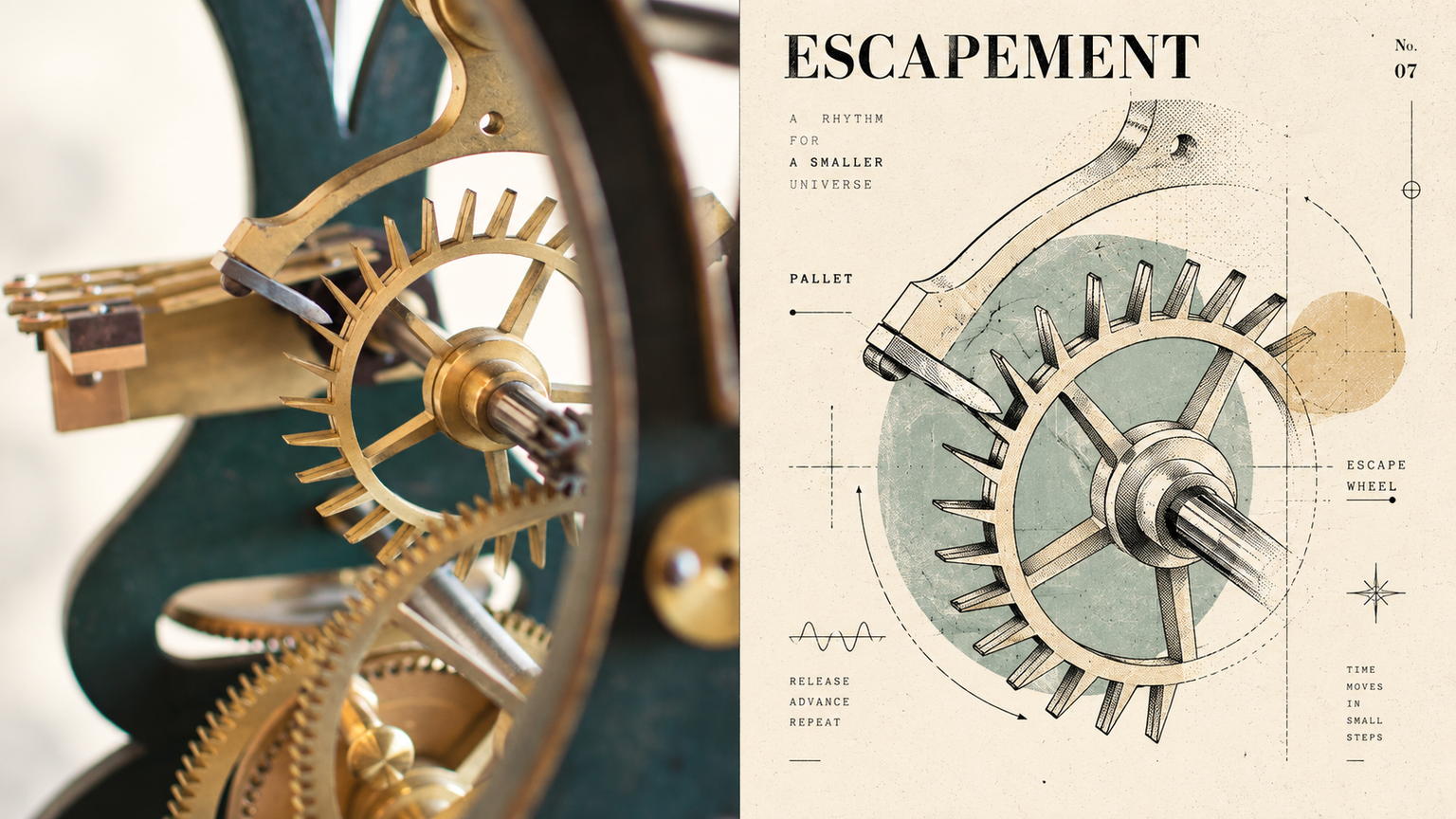
Turn an ordinary photo into a page of an artist's experimental notes. The top half shows the original photo; the bottom distills the subject into a conceptual symbol, like an experimental apparatus mark, a sketch for a future invention, or a visual mark from an independent publication—with a touch of observation, note-taking, and reflection. The subject remains small within ample negative space and may be centered, offset, placed against an edge, or partially cropped. Use minimalist black linework, geometric structures, a few color blocks, and halftone textures, retaining a vintage experimental palette of off-white paper, black ink lines, and a small amount of low-saturation accent color. Avoid copying complete scenes, intricate mechanical structures, dense infographic layouts, commercial tech illustration, cyberpunk, and glossy 3D rendering.
Best for
For anyone who wants to turn an ordinary photo into an experimental visual work with a sense of observation and thought.
How to use this Skill
Provide your input
Provide one photo or image directory.
Run the Skill
Distill the subject into a small experimental-note-style concept symbol on off-white paper with ample negative space, using black linework, geometric structures, and a few low-saturation colors.
Review your result
Generate a finished PNG artwork.
Related Skills
View all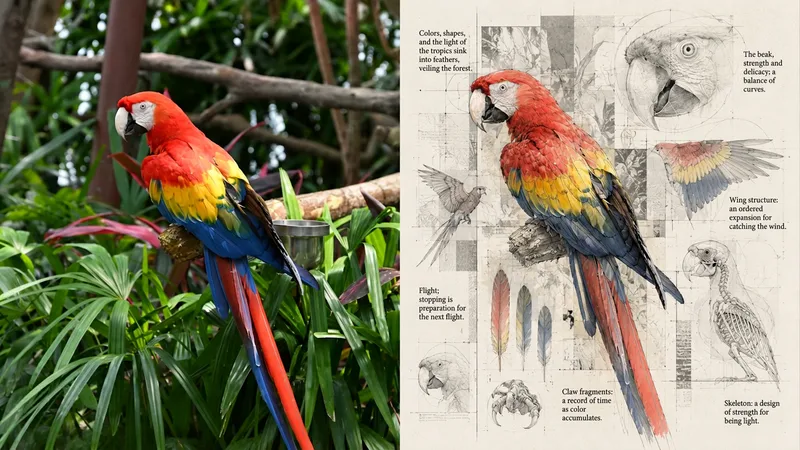
Archive | xiaoxiaodong P276
Ideal for turning an ordinary photo into an unfinished spatial research archive. The upper half contains the original image; the lower half deconstructs and reassembles the spatial relationships, structural logic, and visual memory surrounding it, forming an analytical, archival composition through linear structures, geometric relationships, local sections, spatial fragments, and layered projections. The subject does not need to fill the frame and can be compressed into the center or a partial area, leaving plenty of surrounding space. Quiet and restrained from a distance, it reveals fine lines and fragmented information up close. Use ultra-fine, emotionally neutral technical pen and drafting lines, with an archival paper palette of off-white, ivory, pale gray-green, and warm gray, alongside graphite-gray lines. Avoid complete photorealistic reproduction, conventional architectural renderings, blueprint styles, a CAD drafting feel, and cyberpunk HUD elements.
Charcoal | xiaoxiaodong P298
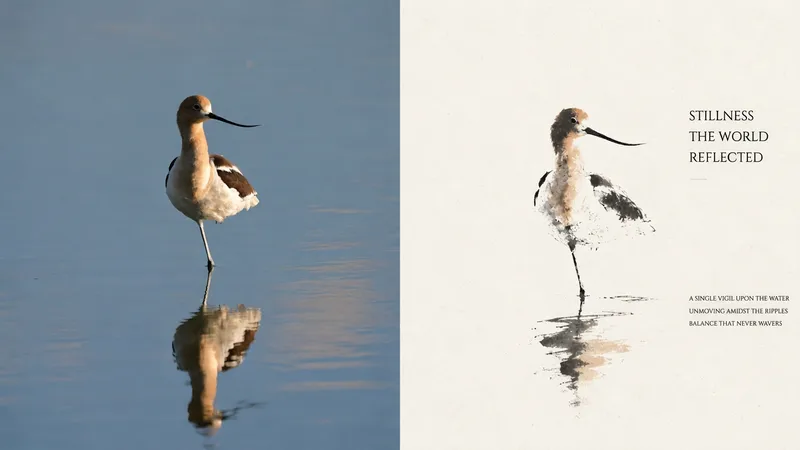
Ideal for reducing an ordinary photo to a totem with minimal information. The upper half shows the original image; the lower half distills the subject into a semi-abstract mark at the edge of recognition. Every stroke must carry identifying weight. The outline need not be closed; erasures and remnants are welcome. The materials are charcoal, graphite, ink, and paper fibers, with uneven edges. Warm white paper is paired with only a small amount of low-saturation color from the subject. The symbol stands alone, with negative space left to breathe and text styled like an art archive annotation. Avoid complete depictions, commercial logos, cartoons, smooth vector shapes, mechanical geometry, and templated marks.
Traces P296 · xiaoxiaodong
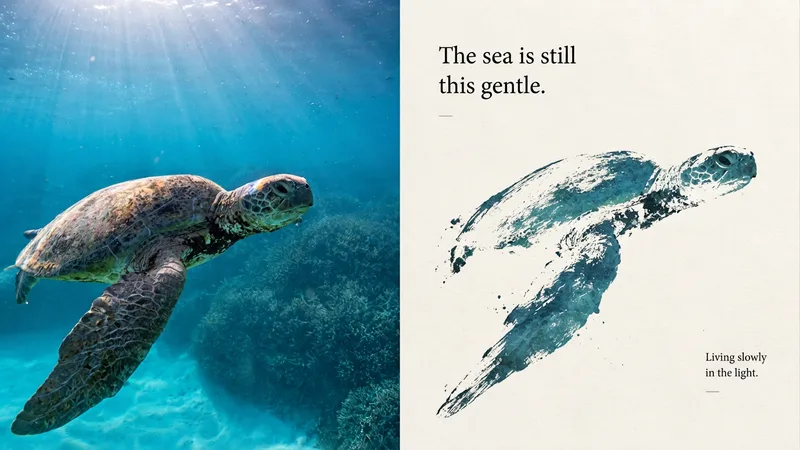
Ideal for distilling an ordinary photo into an artistic, seal-like spiritual imprint. The upper half is the original image; the lower half is not an outline, but charcoal, ink, or graphite marks with speed and direction. A single stroke, patch of color, or fragment of a contour carries the entire recognition. Contours may break, fade, or disappear. Symbols should be small and isolated, placed amid generous blank space on warm white paper, with text styled like an archival number. Keep color extremely restrained: beyond black and gray, retain only one emotional color drawn from the original image. Avoid complete illustrations, commercial logos, cartoons, decoration, and realism.
Information
- Version
- v3
- Last updated
- Runtime credits
- Usage-based
- Models
- Auto
- Use cases
- Images & design
- What you get
- Image
- Visual styles
- MinimalistEditorialHand-drawn
