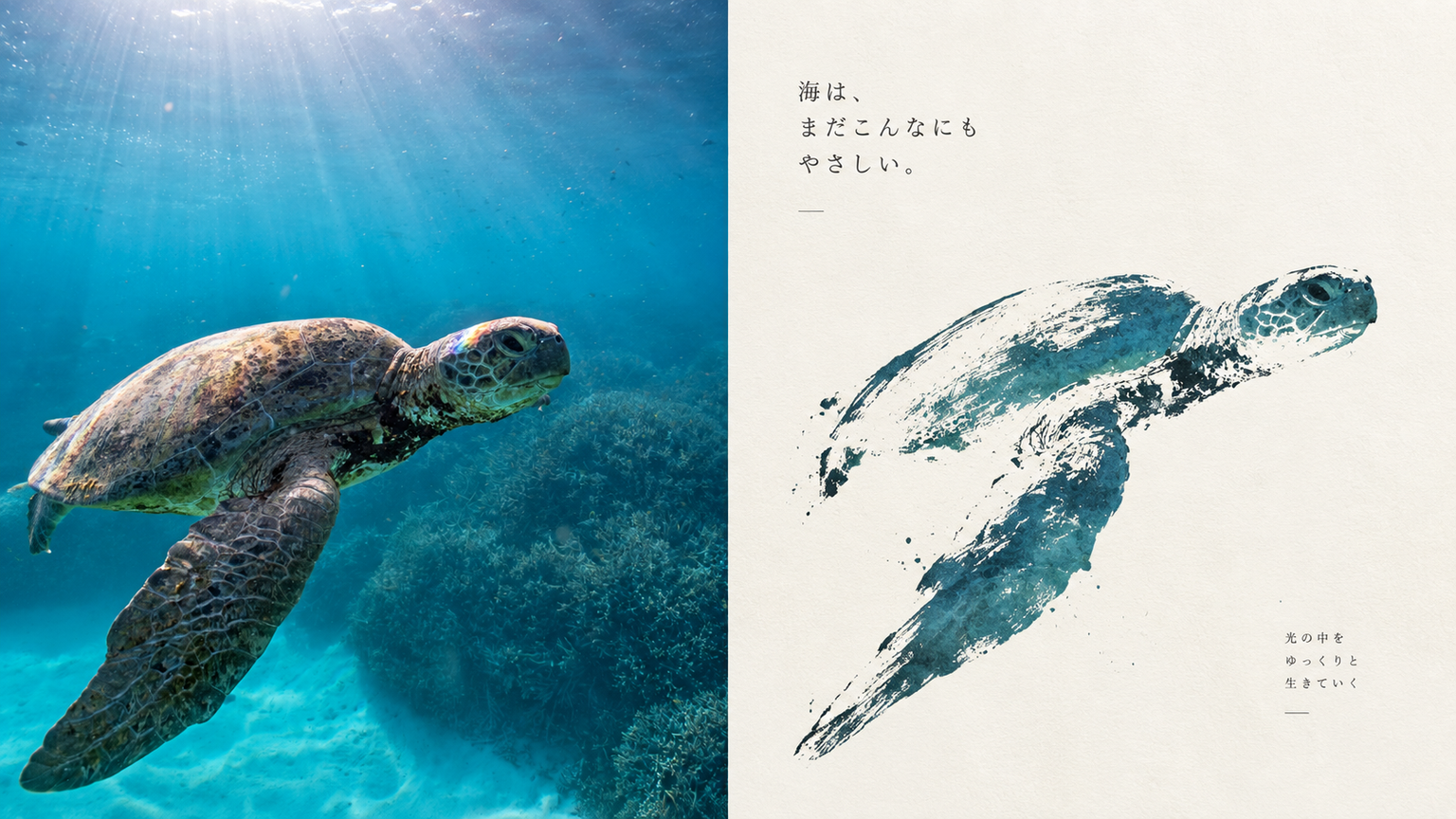
Traces P296 · xiaoxiaodong
By xiaoxiaodong
Traces P296 · xiaoxiaodong
By xiaoxiaodong
Showcase
Description
Ideal for distilling an ordinary photo into an artistic, seal-like spiritual imprint. The upper half is the original image; the lower half is not an outline, but charcoal, ink, or graphite marks with speed and direction. A single stroke, patch of color, or fragment of a contour carries the entire recognition. Contours may break, fade, or disappear. Symbols should be small and isolated, placed amid generous blank space on warm white paper, with text styled like an archival number. Keep color extremely restrained: beyond black and gray, retain only one emotional color drawn from the original image. Avoid complete illustrations, commercial logos, cartoons, decoration, and realism.
Related Skills
View all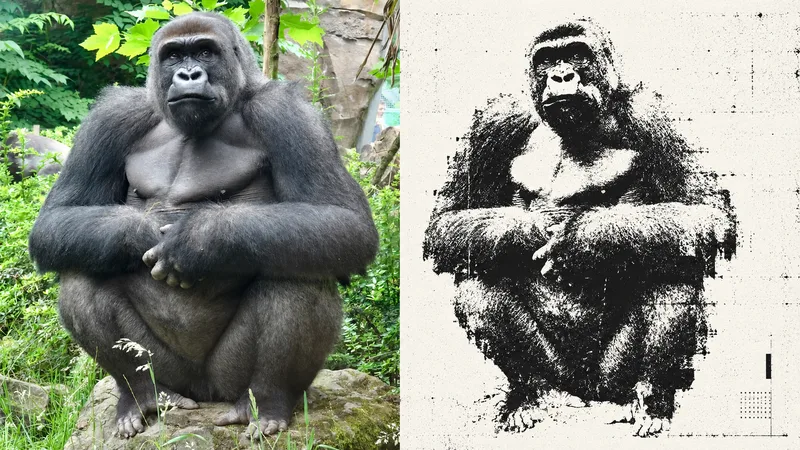
Copy | xiaoxiaodong P299
Ideal for turning an ordinary photo into visual evidence discovered in an old archive. The subject is distilled into a minimalist archival symbol rather than a full photo, then transformed into a high-contrast black-and-white graphic through thresholding, tonal compression, contour erosion, and photocopy wear. One subject, one core form, and plenty of negative space; the contour is fragmented and partially missing, settling into a state that is “recognizable but impossible to fully explain.” Black is ink and photocopy residue; white is exposure and absence. The original image’s emotional color may remain only as a very faint trace, while the text is a tiny archival reference number. Avoid full photos, small illustrations, commercial brand logos, modern UI icons, clean vectors, and decorative patterns.
 Image
Closed Cipher | xiaoxiaodong P297
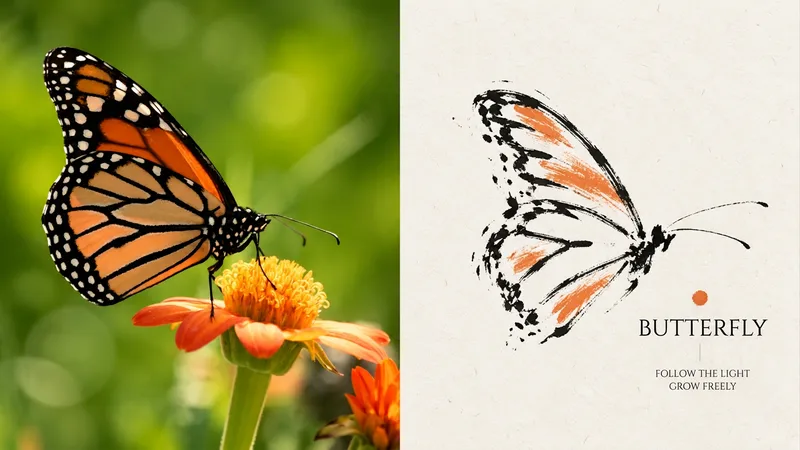
Ideal for turning an ordinary photo into a private mark with the feel of an art brand. The upper half is the original image; the lower half retains only the minimum information needed to identify the subject—an outline, a pose, or a direction—so the form breaks, fades, and remains incomplete, inviting viewers to close the image in their own minds. Use directional strokes reminiscent of calligraphy or charcoal, a small number of dark lines, limited colors, and clear negative space. The symbol may be tiny, off-center, or cropped at the edge; use black and gray on warm white paper, accented by one emotional color drawn from the original image. Avoid complete depictions, commercial icons, cartoons, excessive geometry, and smooth vector forms.
1-Bit Mark | xiaoxiaodong P300
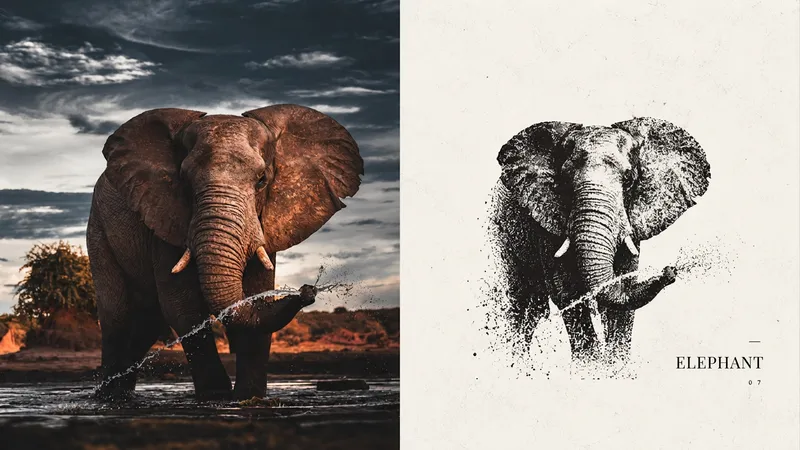
Ideal for reducing an ordinary photo to the core graphic of an art-book page. The original image appears on top; below it is a tiny 1-bit mark using only pure black and white, shaped through error-diffusion dithering and dot density, with no grayscale or gradients. The form emerges from “absence,” while its edges can fade away like an old scan weathered by time. The mark is small and quiet, placed within a large area of blank space, with text styled as a low-resolution archival ID. Avoid complete scenes, grayscale photos, game-like pixels, film-grain filters, commercial logo templates, and decorative patterns.
Information
- Version
- v3
- Last updated
- Runtime credits
- Usage-based
- Models
- Auto
