Mono-Color Editorial
An elevated one-color print aesthetic
Description
Recommended by
nene@YouMind
Why we love this skill
Transforms any theme into original one- or two-color editorial prints with a dependable visual formula and flexible compositions.
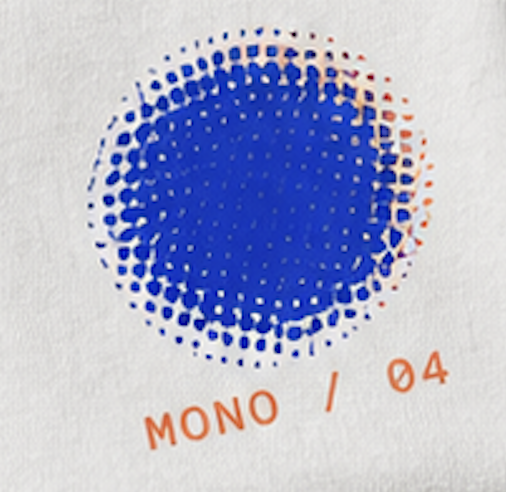
Mono-color Editorial Print 🎨 A visual Skill that brings together editorial design language, print texture, and restrained color. It does not simply “turn an image into a monochrome image.” Instead, it first understands your subject, images, text, and intended mood, then rebuilds the visual system of the entire composition around the content. Its core visual language includes: One or two ink colors + a neutral paper background + generous whitespace + high-contrast typography + Halftone / Risograph / Screen Print texture + intentional imperfection. It does not mechanically copy the composition, text, or style of a single reference image. Instead, it extracts the underlying design rules and recombines them for each input: Color → Composition → Typography → Image Treatment → Print Texture As a result, the same Skill can generate entirely different works while maintaining a stable, recognizable visual language. Ideal for: Posters / social media covers / event visuals / Editorial Graphics / branded content / album covers / Zines / photographic reinterpretations What I find most interesting about it—and the original purpose behind creating this Design Skill—is this: It is not about making AI remember a reference image, but about teaching AI a set of aesthetic rules. Turn Taste → Design Language → Skill. Example Triggers - “Create a poster about a summer walk using mono-color.” - “Turn this coffee photo into a blue halftone editorial cover.” - “Create a green, plant-themed screen print poster.” - “Continue the same monochrome, whitespace-filled, vintage print aesthetic as before.” - “Make this portrait into a one-ink editorial zine cover.” - “Create a visual for a city cycling event using blue-and-orange overprinting.” - “Turn this product into a two-color screen print cover with a repeated-object composition.” - “Use green photos and black body text to create a page from an observation journal.”
Related Skills
View all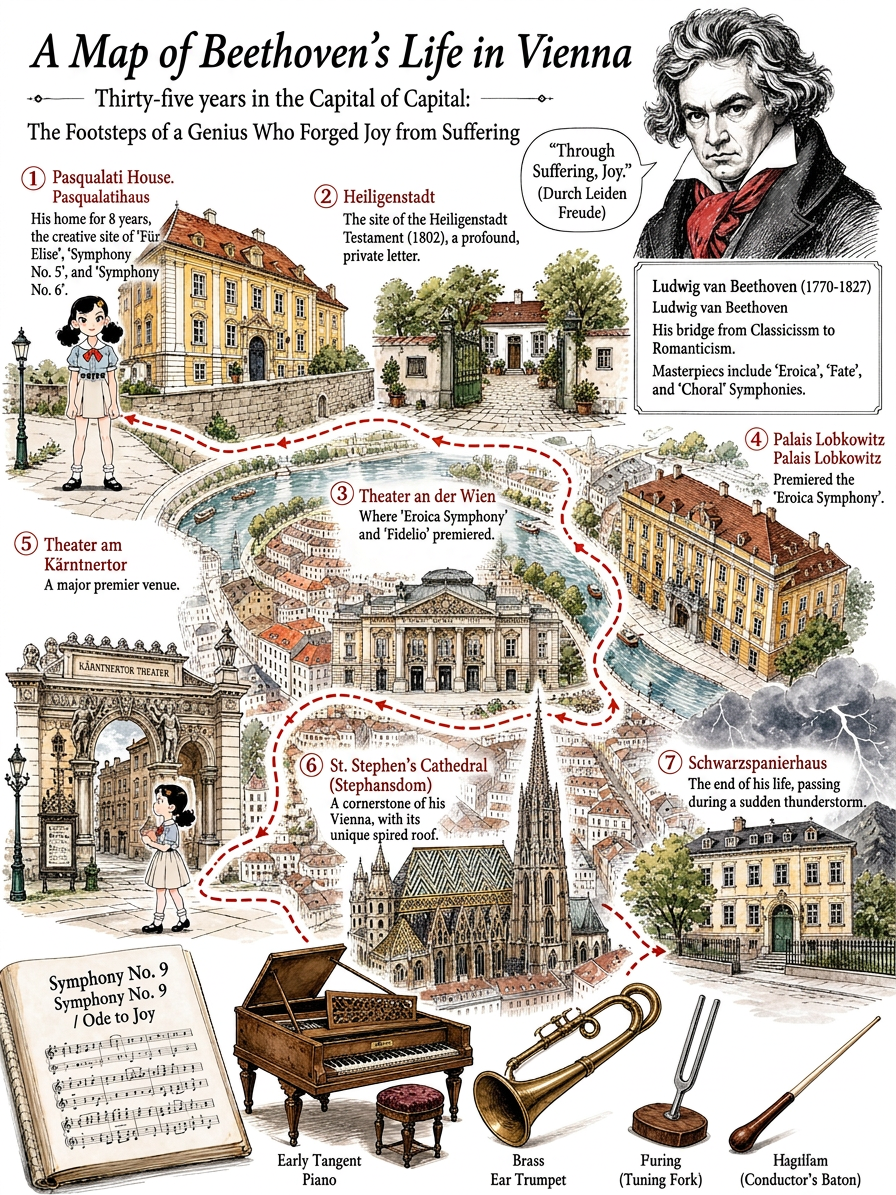 Image
ImageFamous Figures Citywalk
Enter historical and cultural figures—or groups of figures—from China or abroad, including those from literature, art, opera, film and television, music, and politics. Upload a portrait to blend it in with high fidelity, then generate a Citywalk illustrated journal poster with warm, gentle watercolor washes inspired by Republican-era China.
 Image
ImageJapanese Ukiyo-e Woodblock Art
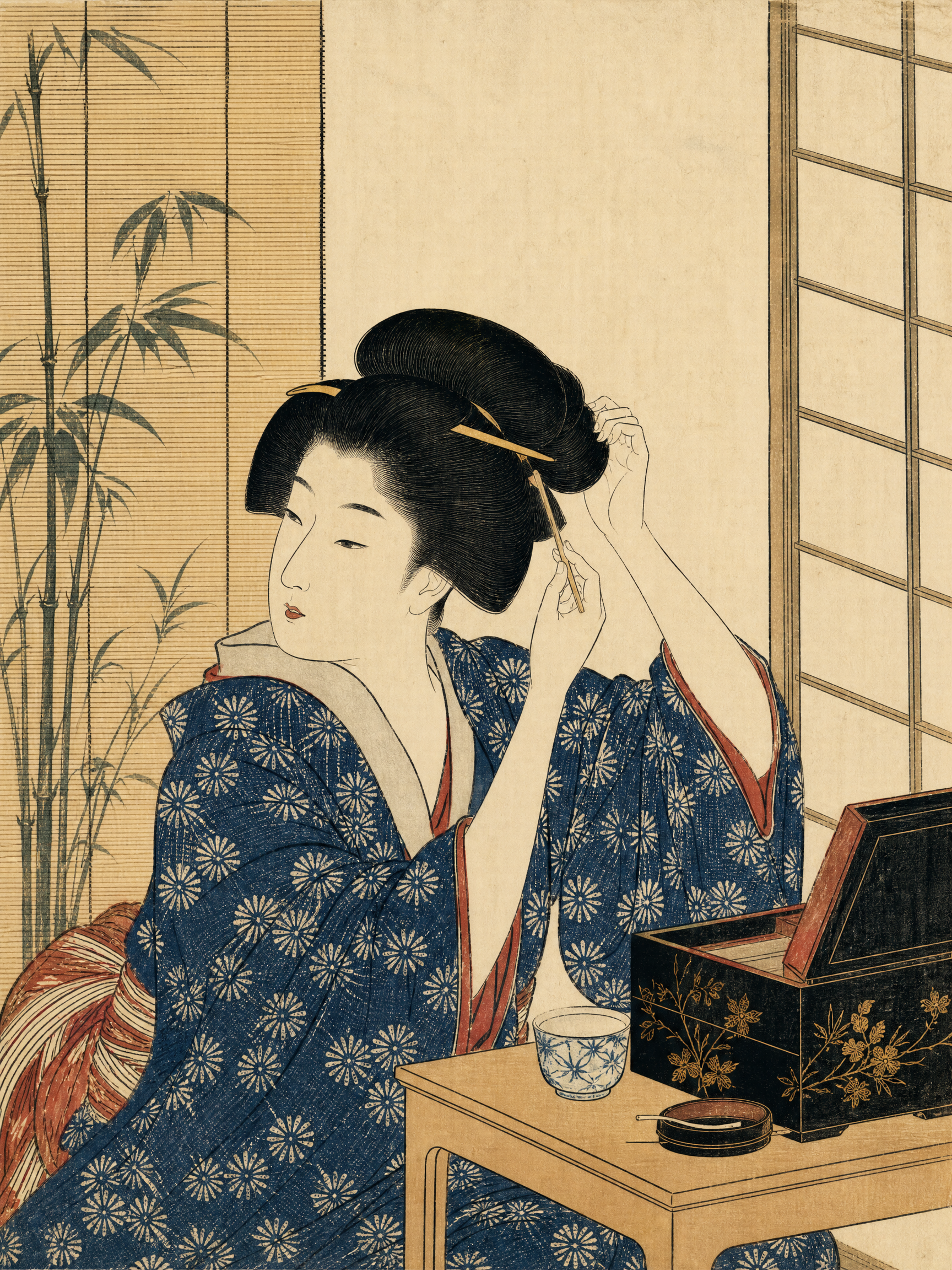
Turn text descriptions or photos into images with the traditional character of Japanese ukiyo-e woodblock prints. Preserve a person’s core identity, posture, and relationship to the setting while translating poetry, stories, and the mood of nature into clear visual narratives. Whether you’re creating a portrait, landscape, seasonal scene, or vertical image for social media, the composition will use an appropriate aspect ratio and visual focus. The artwork emphasizes asymmetrical composition, layered foreground, middle ground, and background, generous negative space, diagonal visual guidance, and expressive moments of movement and emotion. Natural atmosphere—such as rain, snow, mist, wind and waves, moonlight, mountains and water, pine and bamboo, and cherry blossoms—is highlighted without meaninglessly piling on symbols like samurai, Mount Fuji, or shrines. Photo inputs receive a moderate simplification of realistic lighting while preserving recognizable facial features, age, body type, clothing, and posture. The final image features clear, flowing black outlines, flat color blocks, restrained traditional tones such as indigo and ochre, and the texture of paper fibers, woodblock impressions, and hand-printed registration. It avoids photorealism, modern anime, 3D rendering, cyberpunk, and heavy oil-paint effects. Unless explicitly requested, no text, titles, captions, or watermarks will be added.
 Image
ImageEastern Philosophy Comics
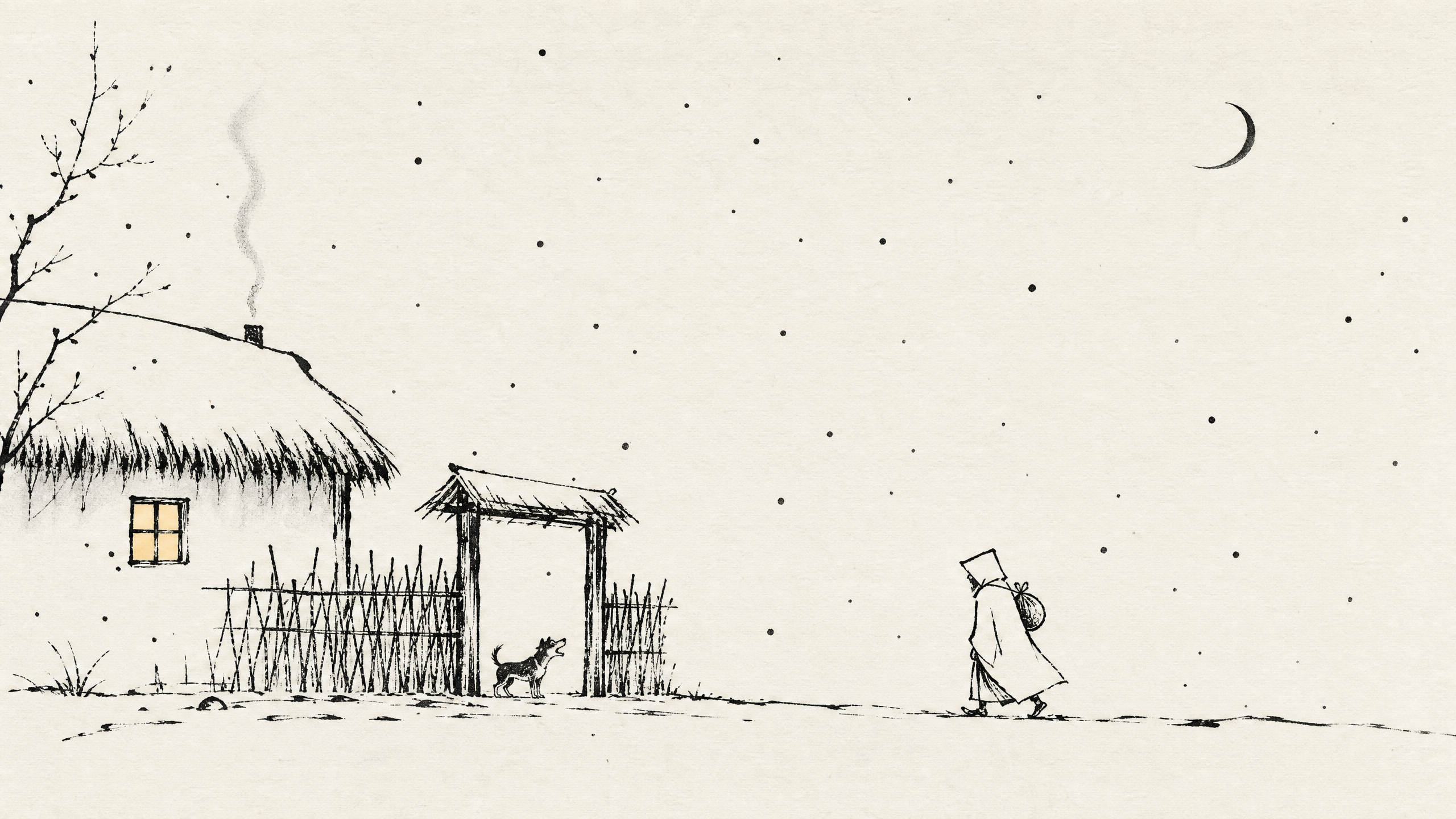
Turn a sentence, philosophical idea, piece of classical prose or poetry, fable, everyday question, scene description, or uploaded photo into a simple, quiet, original comic illustration with an Eastern philosophical sensibility. The artwork centers on black-and-white ink lines, symbolic figures, generous negative space, and minimal environmental elements, allowing abstract ideas to emerge naturally through gestures, key objects, and spatial relationships rather than lengthy textual explanation. For abstract concepts such as “自我消耗,” “自由,” and “沉没成本,” as well as Zen koans, Tang and Song poetry, and historical stories, the skill distills the underlying tensions and meaning, then chooses a suitable single-panel composition or multi-panel narrative to express themes such as loneliness, choice, desire, and impermanence. Figures, clothing, and settings are simplified to suit modern or classical contexts while preserving a clear, two-dimensional comic style and visual metaphors. When you upload a photo, it can be redrawn as a minimalist Eastern line-art comic while preserving recognizable features, posture, clothing, and the main compositional relationships, rather than simply applying a filter. Text is not added by default; when needed, specified text can be retained, a small amount of dialogue added, or the aspect ratio, panel count, or low-saturation colors adjusted. Realistic, 3D, anime-inspired, and complex commercial illustration styles are avoided.
Mono-Color Editorial
An elevated one-color print aesthetic
Description
Recommended by
nene@YouMind
Why we love this skill
Transforms any theme into original one- or two-color editorial prints with a dependable visual formula and flexible compositions.
Mono-color Editorial Print 🎨 A visual Skill that brings together editorial design language, print texture, and restrained color. It does not simply “turn an image into a monochrome image.” Instead, it first understands your subject, images, text, and intended mood, then rebuilds the visual system of the entire composition around the content. Its core visual language includes: One or two ink colors + a neutral paper background + generous whitespace + high-contrast typography + Halftone / Risograph / Screen Print texture + intentional imperfection. It does not mechanically copy the composition, text, or style of a single reference image. Instead, it extracts the underlying design rules and recombines them for each input: Color → Composition → Typography → Image Treatment → Print Texture As a result, the same Skill can generate entirely different works while maintaining a stable, recognizable visual language. Ideal for: Posters / social media covers / event visuals / Editorial Graphics / branded content / album covers / Zines / photographic reinterpretations What I find most interesting about it—and the original purpose behind creating this Design Skill—is this: It is not about making AI remember a reference image, but about teaching AI a set of aesthetic rules. Turn Taste → Design Language → Skill. Example Triggers - “Create a poster about a summer walk using mono-color.” - “Turn this coffee photo into a blue halftone editorial cover.” - “Create a green, plant-themed screen print poster.” - “Continue the same monochrome, whitespace-filled, vintage print aesthetic as before.” - “Make this portrait into a one-ink editorial zine cover.” - “Create a visual for a city cycling event using blue-and-orange overprinting.” - “Turn this product into a two-color screen print cover with a repeated-object composition.” - “Use green photos and black body text to create a page from an observation journal.”
Related Skills
View allImageFamous Figures Citywalk
Enter historical and cultural figures—or groups of figures—from China or abroad, including those from literature, art, opera, film and television, music, and politics. Upload a portrait to blend it in with high fidelity, then generate a Citywalk illustrated journal poster with warm, gentle watercolor washes inspired by Republican-era China.
ImageJapanese Ukiyo-e Woodblock Art
Turn text descriptions or photos into images with the traditional character of Japanese ukiyo-e woodblock prints. Preserve a person’s core identity, posture, and relationship to the setting while translating poetry, stories, and the mood of nature into clear visual narratives. Whether you’re creating a portrait, landscape, seasonal scene, or vertical image for social media, the composition will use an appropriate aspect ratio and visual focus. The artwork emphasizes asymmetrical composition, layered foreground, middle ground, and background, generous negative space, diagonal visual guidance, and expressive moments of movement and emotion. Natural atmosphere—such as rain, snow, mist, wind and waves, moonlight, mountains and water, pine and bamboo, and cherry blossoms—is highlighted without meaninglessly piling on symbols like samurai, Mount Fuji, or shrines. Photo inputs receive a moderate simplification of realistic lighting while preserving recognizable facial features, age, body type, clothing, and posture. The final image features clear, flowing black outlines, flat color blocks, restrained traditional tones such as indigo and ochre, and the texture of paper fibers, woodblock impressions, and hand-printed registration. It avoids photorealism, modern anime, 3D rendering, cyberpunk, and heavy oil-paint effects. Unless explicitly requested, no text, titles, captions, or watermarks will be added.
ImageEastern Philosophy Comics
Turn a sentence, philosophical idea, piece of classical prose or poetry, fable, everyday question, scene description, or uploaded photo into a simple, quiet, original comic illustration with an Eastern philosophical sensibility. The artwork centers on black-and-white ink lines, symbolic figures, generous negative space, and minimal environmental elements, allowing abstract ideas to emerge naturally through gestures, key objects, and spatial relationships rather than lengthy textual explanation. For abstract concepts such as “自我消耗,” “自由,” and “沉没成本,” as well as Zen koans, Tang and Song poetry, and historical stories, the skill distills the underlying tensions and meaning, then chooses a suitable single-panel composition or multi-panel narrative to express themes such as loneliness, choice, desire, and impermanence. Figures, clothing, and settings are simplified to suit modern or classical contexts while preserving a clear, two-dimensional comic style and visual metaphors. When you upload a photo, it can be redrawn as a minimalist Eastern line-art comic while preserving recognizable features, posture, clothing, and the main compositional relationships, rather than simply applying a filter. Text is not added by default; when needed, specified text can be retained, a small amount of dialogue added, or the aspect ratio, panel count, or low-saturation colors adjusted. Realistic, 3D, anime-inspired, and complex commercial illustration styles are avoided.
Find your next favorite skill
Explore more curated AI skills for research, creation, and everyday work.