Peter Yuan
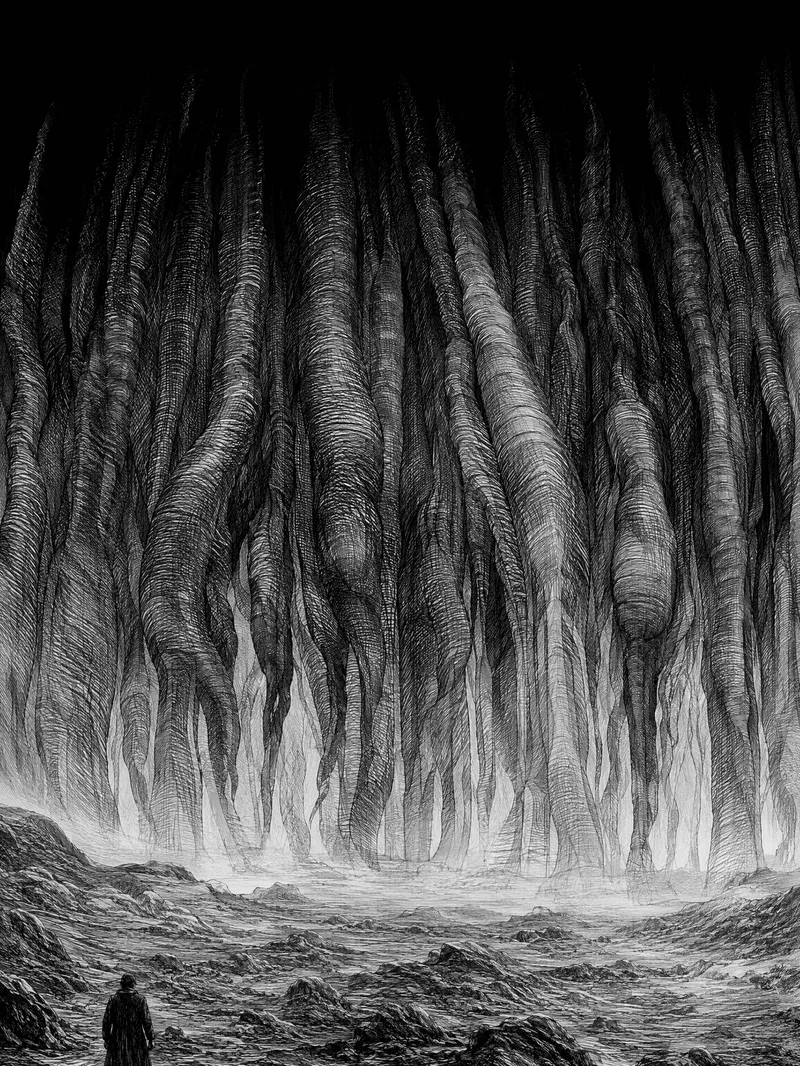
Cthulhu Black-and-White Prints
Turn written imagery or reference images into eerie Cthulhu-style black-and-white print illustrations. The goal is to create the unease of “a world malfunctioning,” rather than plainly depicting a recognizable monster. Whether the setting is a ruin, coastline, interior, or unfamiliar landscape, it is reorganized into an anomalous scene that is difficult to name, with an uncertain scale and purpose—ideal for atmospheric illustrations, horror concept art, and supernatural visual concepts. The core style draws on woodcuts, scraperboard art, and pure black-and-white line engraving. Dense hatching, stark contrast, misty depth, and irregular solid-black areas create a sense of oppression. The subject often supports two contradictory interpretations of its material or form at once. Spatial dislocation, distorted scale, and illogical lines remain embedded in the details, making it difficult for viewers to determine what they are seeing at a glance. You can specify the aspect ratio, whether monsters or text appear, the number of images to generate, and which elements of the composition and atmosphere to preserve. You can also upload one or more reference images to guide the style, subject, composition, or mood. Unless otherwise specified, the default is a vertical black-and-white print, one image, no clearly recognizable monster or text, and an effort to preserve an indescribable Cthulhu-horror effect.
 Image
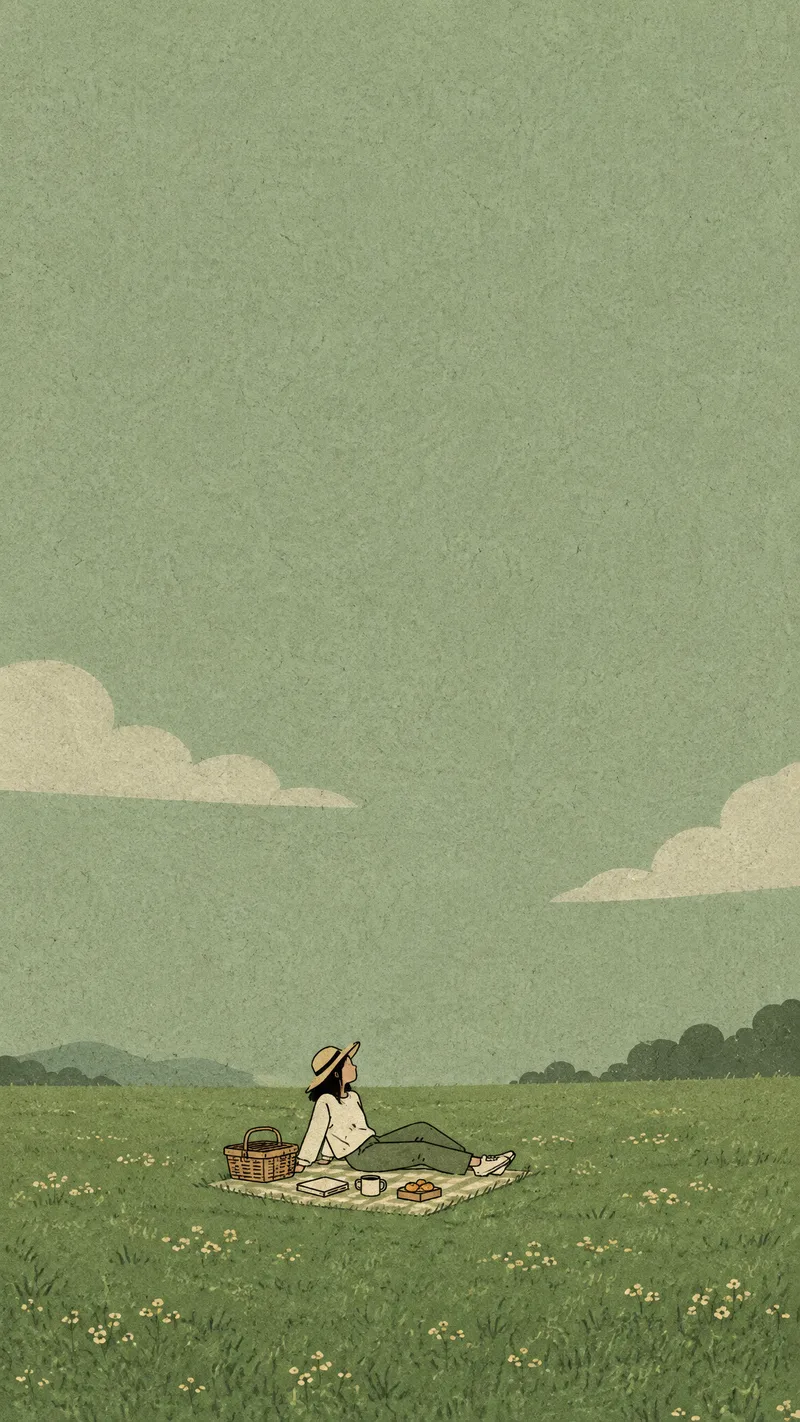
ImageHealing Small-Figure Art
This Skill was created with the 【Image Generation Skill · xiaoxiaodong】 Skill (https://youmind.com/skills/reference-image-skill-builder-RqmjHpF6UHmyjg?ref=DHFDMM). Turn the quietness, solitude, and healing feeling of everyday life into low-saturation illustrations with generous negative space, designed for wallpapers and social media sharing. Whether it’s gazing out at the sea, reading on the grass, walking alone, or spending a moment with a pet, the “small figure + large background” visual approach highlights a relaxed, natural mood. The artwork uses a vertical composition and expansive negative space, with people, animals, or a few props resting quietly at the bottom or lower middle. Soft Morandi and macaron color blocks form the sky, sea, grass, or distant mountains, paired with simple hand-drawn outlines, flat coloring, and a subtle paper-grain texture for a vintage, gentle, and quietly poetic look. Poses focus on relaxed states such as lying down, sitting quietly, reading, walking, or gazing into the distance, while avoiding complex expressions and ornate decoration. Ideal for phone wallpapers, social media story covers, mood illustrations, lifestyle content, and healing visuals with short text. Simply provide the scene, mood, or elements of companionship you want to express to receive a restrained, quiet illustration direction with plenty of breathing room.
 Image
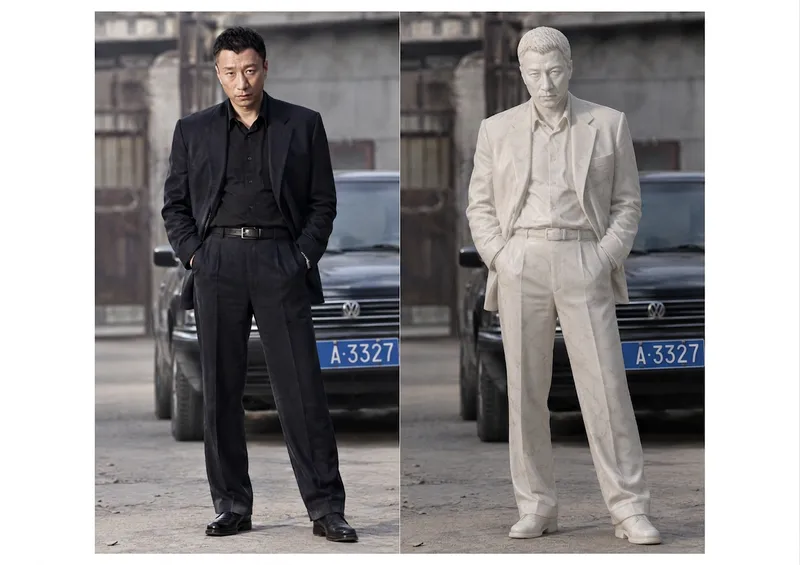
ImageMarble Sculpture Generator
Transform a clearly defined subject from a reference image—such as a person, group photo, animal, pet, doll, illustrated character, car, building, piece of furniture, musical instrument, or other object—into a marble sculpture with convincing three-dimensional form and believable carving logic. It prioritizes preserving the subject’s identity, species or product characteristics, silhouette, pose, proportions, expression, clothing, accessories, props, and original composition, so the result looks like it was actually carved by a sculptor rather than simply covered with a white filter. Clothing and accessories are translated into stone-carved details, animals retain their breed and body structure, and objects preserve their most recognizable design features wherever possible. The eyes are rendered as opaque, matte marble integrated with the face, using shallow eye sockets, subtly raised irises, and carved pupils to convey expression while avoiding glass eyes, glossy eyeballs, or a plastic appearance. Hair, skin, and fabric are unified into continuous sculpted forms while retaining their original contours and details. By default, the reference image’s background, viewpoint, subject placement, and aspect ratio are preserved, with restrained mineral textures, natural stone variation, chisel marks, realistic thickness, contact shadows, and soft lighting added. You can also specify a museum gallery, sculpture pedestal, or colonnade, or choose a sculptural style such as Ancient Greek, Roman, Renaissance, or Neoclassical. Without a reference image, it can generate an original marble statue from a text description and adjust the pose, setting, material tones, and aspect ratio to suit your needs.
 Image
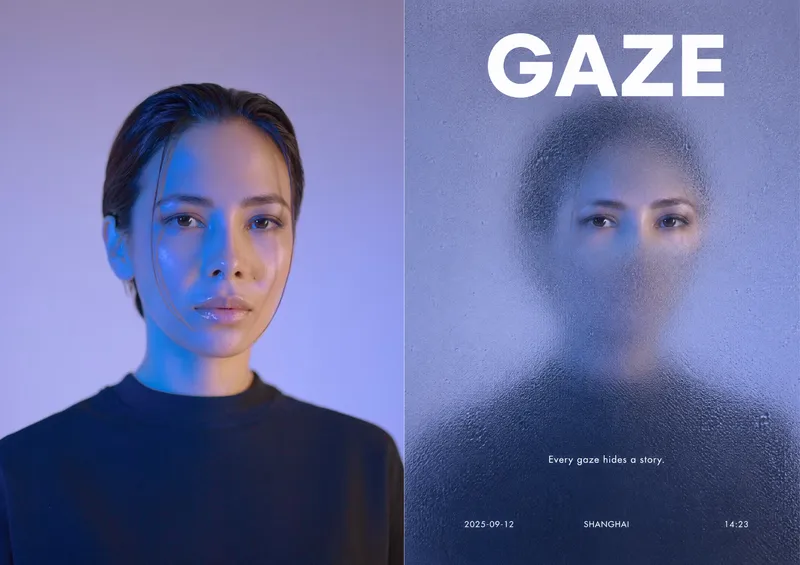
ImageFrosted Glass Reveal
Turn portraits, objects, animals, plants, landscapes, or your written ideas into mysterious, editorial-style frosted glass reveal posters. The subject is covered by thick, low-transparency granular frosted glass, with only a small area of clear detail preserved around the most recognizable features—such as eyes, textures, logos, or flower centers—creating a striking “blurred–sharp” contrast while maintaining the subject’s natural proportions and contours. By default, the design uses organic soft windows without straight lines or hard frames, allowing the clear areas to fade naturally into the matte glass and avoiding harsh edges that would disrupt the overall texture. You can specify raindrop glass, acid-etched glass, or fogged glass, along with cool, warm, or dark color palettes. If you do not specify a palette, a restrained, cohesive low-saturation scheme will be selected based on the subject and mood. If you provide copy, it will be incorporated into the poster layout as requested. If you provide only an image or scene description, the design will combine the visual theme with a concise English title, a poetic short line, and a small amount of informational text to create an elevated magazine, portfolio, or social media cover design. Supports common poster ratios such as 3:4, 9:16, 1:1, and 16:9, making it suitable for portrait covers, brand visuals, art posters, phone wallpapers, and social media graphics.
 Image
ImageReal-Person Doodle Portrait
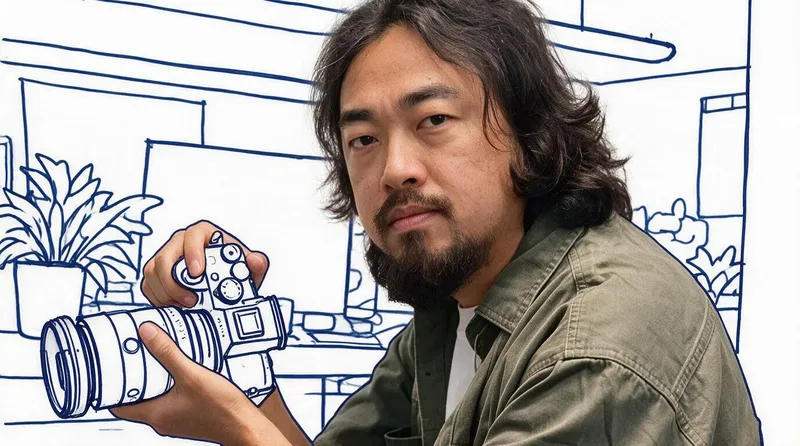
Blend your real-person photo into a room or scene drawn with bold hand-drawn lines, creating a creative portrait that places a real person alongside a doodle environment. The person retains realistic photographic texture, facial features, clothing, and lighting, while the environment uses monochrome marker sketches to outline furniture, walls, and spatial contours. The result creates a striking visual effect of a “real person floating in a line-art world,” making it suitable for profile pictures, social cards, and stylized portrait artwork. You can upload a headshot, half-body photo, or full-body photo, then describe the living room, bedroom, study, café, studio, balcony, or other scene you want, along with the person’s clothing, pose, and expression. If you only have a headshot, the image can complete the body and place it in the specified space. If the original photo already includes a real environment, you can also keep the person unchanged while converting the background furniture, floor, walls, or street scene into a simple doodle line drawing, while maintaining the original composition. Deep ocean blue, burgundy, charcoal black, and other line-art colors are supported, with suitable aspect ratios matched to indoor portraits, open outdoor scenes, sports, or spacious environments. The setting will not be filled with excessive detail. Instead, it selects a few key objects and preserves negative space, making the contrast between the real person and the hand-drawn room clearer and more thoughtfully designed.
 Image
ImageFramed Impasto Miniatures
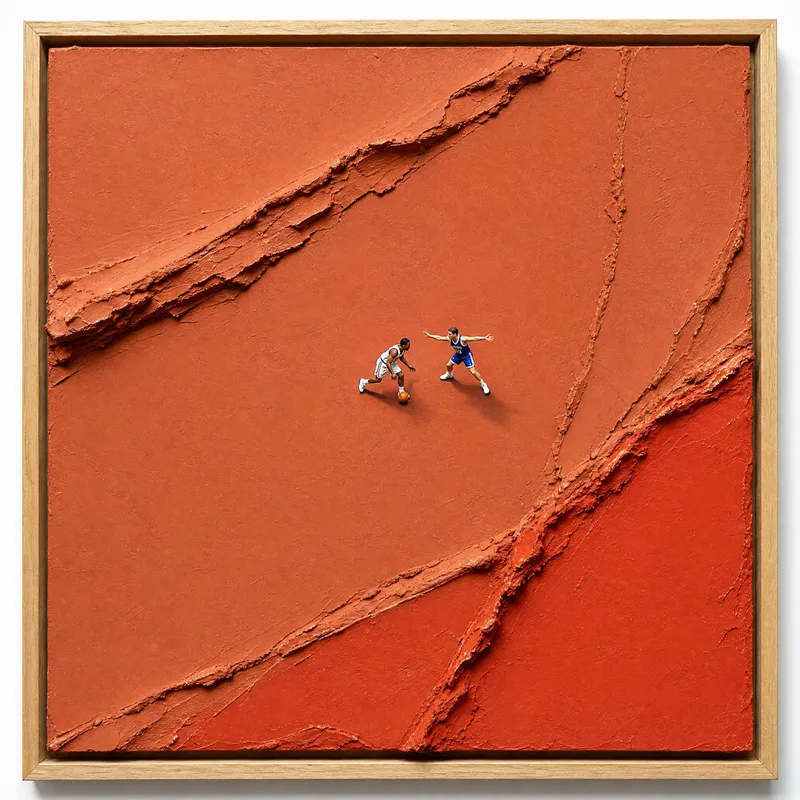
Turn your subject into an impasto paint miniature artwork inspired by Werner Bronkhorst, presented as a framed physical close-up that looks like a real gallery piece. The image defaults to a 1:1 square composition and a straight-down overhead view. A light-colored, fine-grained natural wood frame sits tightly against the edges, filling the canvas with the artwork while avoiding empty space and a loss of scale. The artwork centers on bright, fresh, clean tones such as grass green and matcha green. It is built from a small number of oversized palette-knife color blocks, highlighting the super-matte acrylic modeling paste’s dry, plaster-like hardness. Where the color blocks meet, rough, torn, and curling layers of raised paint create clearly defined relief thickness and a sculptural feel—not a glossy or smoothly brushed surface. You can also specify action themes such as soccer, golf, or running, letting 1 to 3 finely detailed, vivid miniature figures become the focal point. The figures blend into the paint surface with high-contrast solid-color clothing and clear dynamic poses, paired with sharp diagonal cast shadows to enhance realistic proportions, dimensionality, and storytelling. Ideal for contemporary art concept images, miniature scene posters, and decorative visual works.
 Image
ImageHand-Drawn Photo Posters
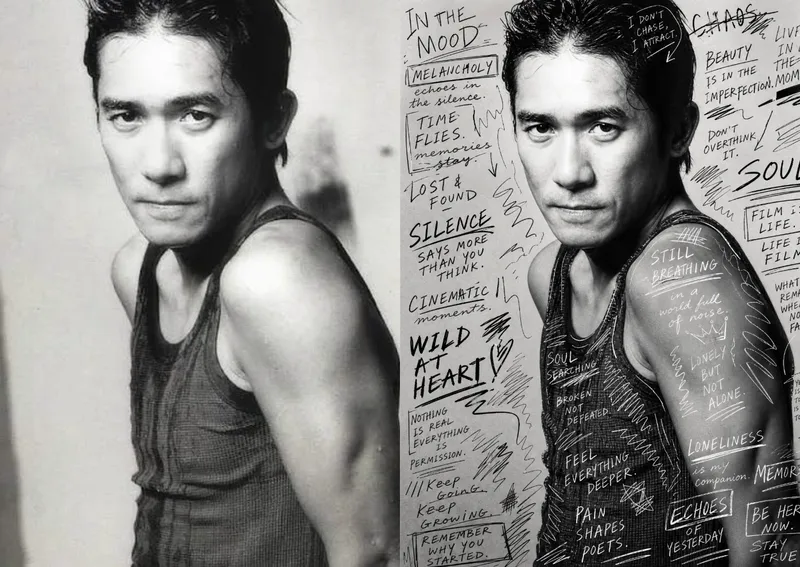
Turn an ordinary photo into a vertical art poster with an authentic hand-drawn feel. Upload a photo and describe the lettering, doodles, or theme you want to add. You’ll get handwritten copy, free-flowing lines, and stylized icons drawn directly onto the original image, preserving the photo’s subject and atmosphere while adding a natural, spontaneous creative touch. Based on the photo’s composition, subject, and overall mood, it plans a suitable 3:4 portrait layout, balances the original image with areas of negative space, and designs hand-drawn elements and lettering styles to match each placement. The results emphasize authentic physical pen strokes: lines have natural curves and texture, avoiding printed fonts, computer-generated text effects, and a digital painting look. Handwritten content defaults to English but can be changed to Chinese as needed. Along with the finished image, you’ll receive a complete, reproducible image-generation prompt and a brief creative explanation—ideal for social media visuals, personal photo posters, travel keepsakes, and artistic photos with a handcrafted feel.
 Image
ImageVaporwave Poster Generator
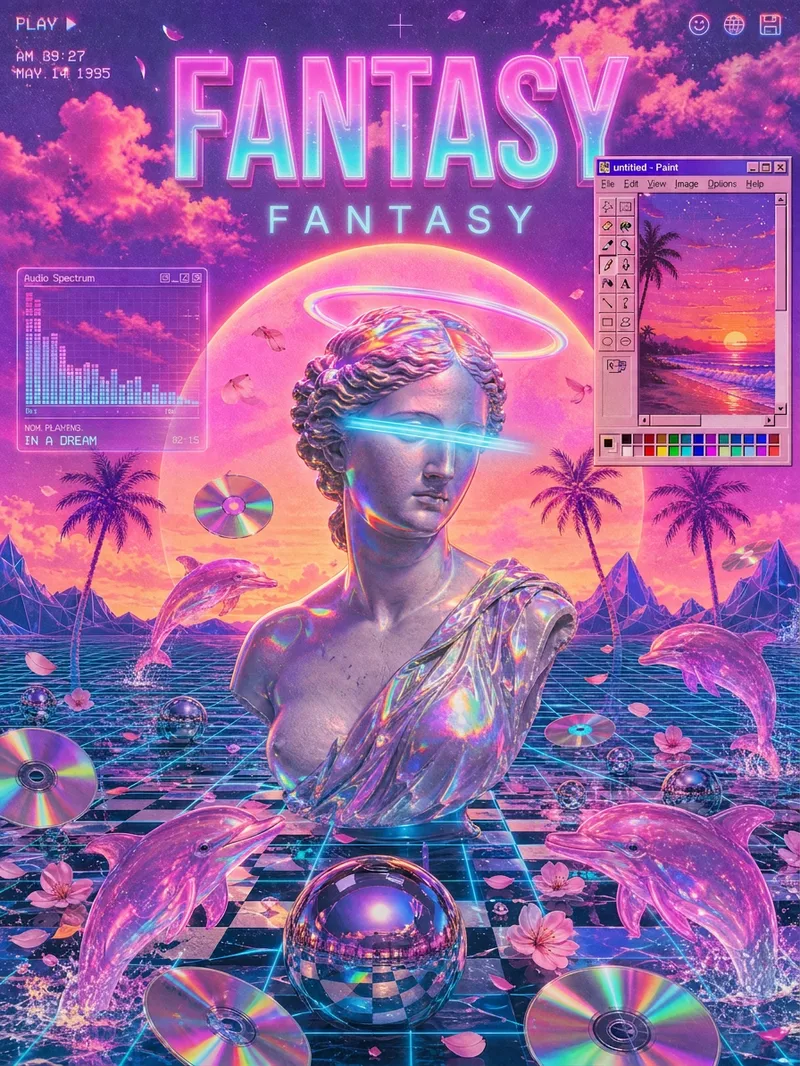
Turn a theme, copy, or specified elements into a vaporwave-style poster with a distinct mood and visual narrative. Whether the subject is capitalism, loneliness, nostalgia, technology, music, or a brand concept, the poster matches the theme with suitable textures, colors, composition, and vaporwave symbols to create a ready-to-use visual piece. You can specify the aspect ratio, dominant colors, material feel, composition, and required elements; anything left unspecified is filled in automatically based on the theme. The image can incorporate classical statues, palm trees, synthwave sunsets, checkerboard patterns, perspective grids, retro computer interfaces, CDs, glitch effects, holographic metal, and more. It can also feature VHS grain, RGB shifts, lo-fi blur, low-poly styling, or a clean digital look as needed. The result is a vaporwave-themed image in your chosen aspect ratio, along with a summary of the textures, colors, composition, and key elements used in the creation. It is suitable for album covers, themed posters, social media graphics, brand visual concepts, and art with a retro-futuristic feel.
 Image
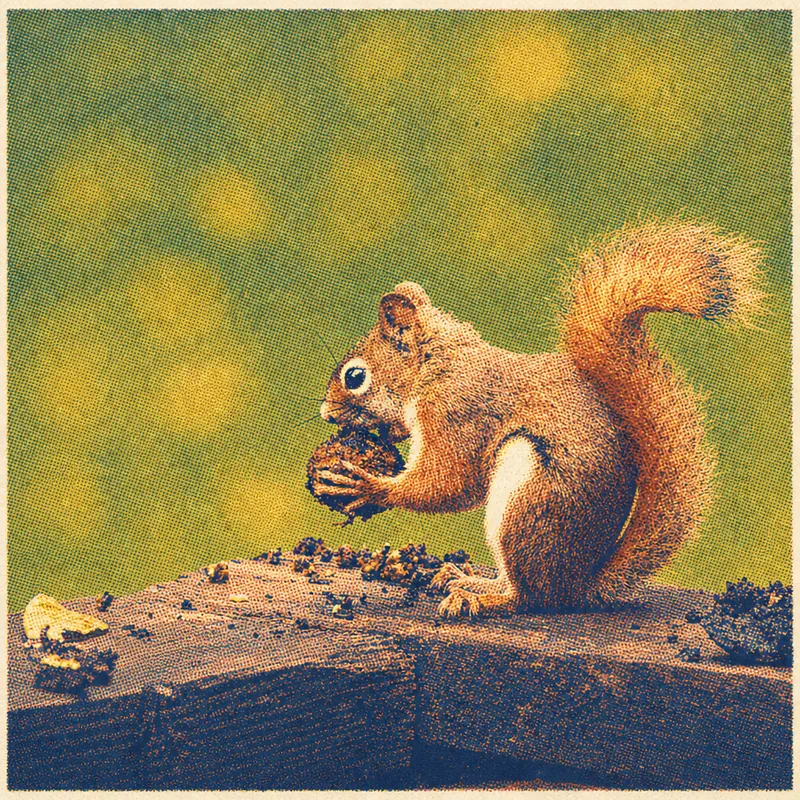
ImagePhoto to Risograph Texture
Convert user-uploaded photos or images into high-quality simulated prints with the authentic texture of Risograph printing, independent publications, and ZINEs. Reimagine the visual medium through color separation, spot inks, halftone dots, registration shifts, ink overprinting, and paper texture. By default, the original subject, composition, people’s identities, and key content are preserved; only the visual presentation is changed.