
Enter historical and cultural figures—or groups of figures—from China or abroad, including those from literature, art, opera, film and television, music, and politics. Upload a portrait to blend it in with high fidelity, then generate a Citywalk illustrated journal poster with warm, gentle watercolor washes inspired by Republican-era China.
Turn text descriptions or photos into images with the traditional character of Japanese ukiyo-e woodblock prints. Preserve a person’s core identity, posture, and relationship to the setting while translating poetry, stories, and the mood of nature into clear visual narratives. Whether you’re creating a portrait, landscape, seasonal scene, or vertical image for social media, the composition will use an appropriate aspect ratio and visual focus. The artwork emphasizes asymmetrical composition, layered foreground, middle ground, and background, generous negative space, diagonal visual guidance, and expressive moments of movement and emotion. Natural atmosphere—such as rain, snow, mist, wind and waves, moonlight, mountains and water, pine and bamboo, and cherry blossoms—is highlighted without meaninglessly piling on symbols like samurai, Mount Fuji, or shrines. Photo inputs receive a moderate simplification of realistic lighting while preserving recognizable facial features, age, body type, clothing, and posture. The final image features clear, flowing black outlines, flat color blocks, restrained traditional tones such as indigo and ochre, and the texture of paper fibers, woodblock impressions, and hand-printed registration. It avoids photorealism, modern anime, 3D rendering, cyberpunk, and heavy oil-paint effects. Unless explicitly requested, no text, titles, captions, or watermarks will be added.
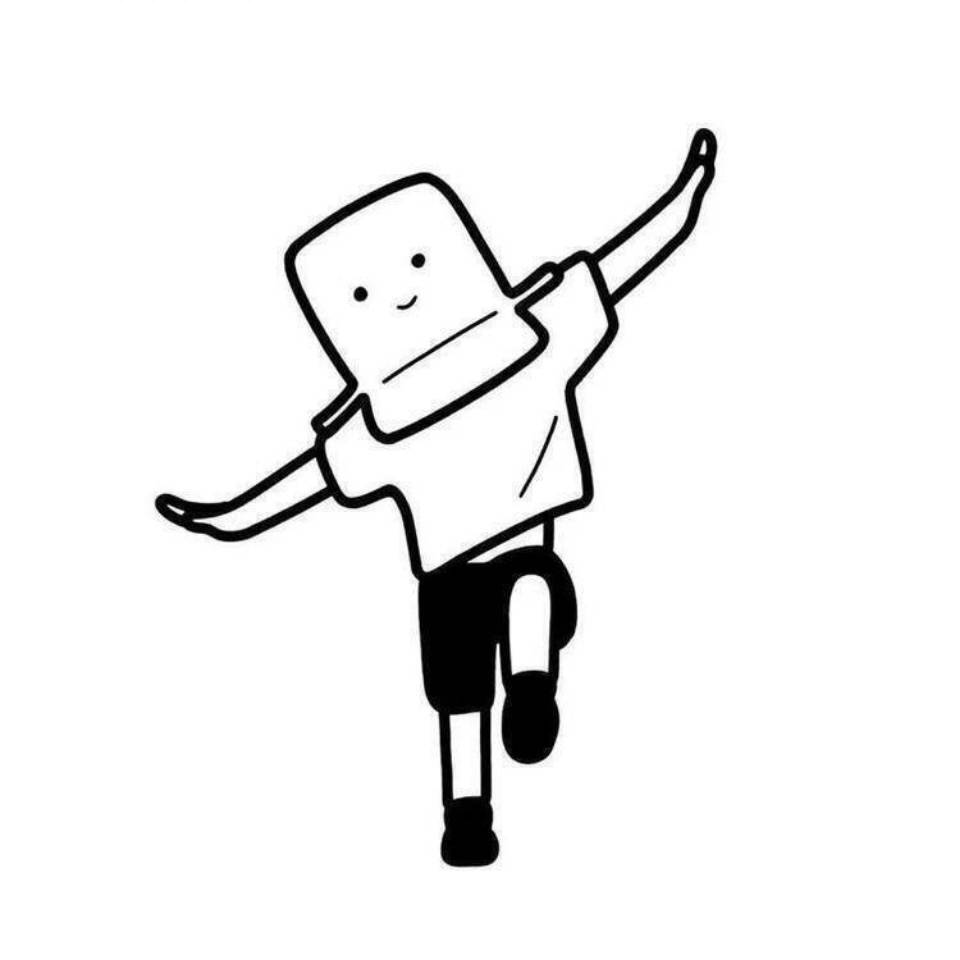
Turn a sentence, philosophical idea, piece of classical prose or poetry, fable, everyday question, scene description, or uploaded photo into a simple, quiet, original comic illustration with an Eastern philosophical sensibility. The artwork centers on black-and-white ink lines, symbolic figures, generous negative space, and minimal environmental elements, allowing abstract ideas to emerge naturally through gestures, key objects, and spatial relationships rather than lengthy textual explanation. For abstract concepts such as “自我消耗,” “自由,” and “沉没成本,” as well as Zen koans, Tang and Song poetry, and historical stories, the skill distills the underlying tensions and meaning, then chooses a suitable single-panel composition or multi-panel narrative to express themes such as loneliness, choice, desire, and impermanence. Figures, clothing, and settings are simplified to suit modern or classical contexts while preserving a clear, two-dimensional comic style and visual metaphors. When you upload a photo, it can be redrawn as a minimalist Eastern line-art comic while preserving recognizable features, posture, clothing, and the main compositional relationships, rather than simply applying a filter. Text is not added by default; when needed, specified text can be retained, a small amount of dialogue added, or the aspect ratio, panel count, or low-saturation colors adjusted. Realistic, 3D, anime-inspired, and complex commercial illustration styles are avoided.

Upload an image to quickly generate pixel-art images in the Stardew Valley style. Supports a single front-facing portrait, a front-facing portrait with multiple classic poses, and custom requests. Choose a solid-color background or a pastoral Stardew Valley scene.
Panel 086 keeps only the 3–5 visual details that make an image work. It reshapes the subject with silhouettes, geometric forms, and simple color blocks, then uses 2–4 spot colors drawn from the photo, dry-brush, brayer texture, dragged ink, broken ink, and uneven coverage to create a medieval modernist screen print. The composition always seeks one clear focal point, one dominant direction, and one meaningful area of negative space. Best for Wanting more visual order from a photo: Keep only 3–5 key visual details, using silhouettes, geometric forms, and color blocks to establish a clear focal point. Wanting an authentic printmaking feel: Let dry-brush, rolled ink, dragged ink, broken ink, and uneven coverage become part of the visual language. Wanting vivid but restrained color: Compress the most energetic relationships in the original image into 2–4 spot colors, allowing the paper and negative space to actively shape the composition. Needing flexible deliverables: Supports portrait, landscape, design-only, multiple aspect ratios, and four-edge wallpapers, and can also process image directories in batches.
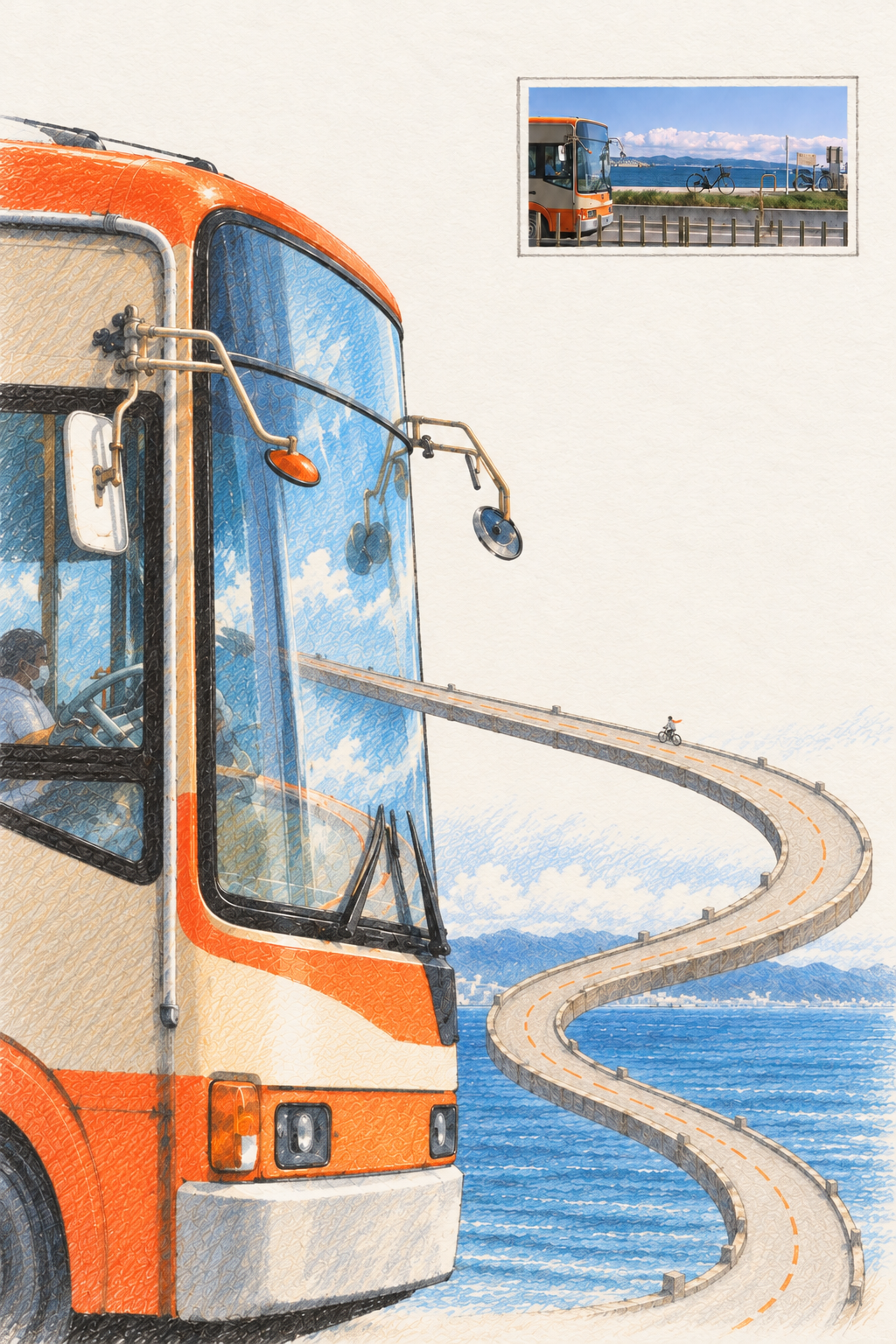
Panel 084 uses fine black or dark lines to distill the main subject, buildings, roads, and spatial relationships. Vertical, horizontal, angular, and curved lines, along with perspective guide lines, establish the geometric framework. Stippling/dotted texture then uses variations in density to shape the sky, ground, distant views, tree shadows, lighting, and the atmospheric layers around the subject. Complex backgrounds are deliberately reduced, leaving a clear focal point, generous negative space, and a few accent colors with identifiable sources. Best suited for these situations When cities, buildings, and spatial relationships need to remain clear: Use geometric fine lines, perspective guide lines, and key contours to distill roads, buildings, and scene structure. When you want to express air, light, and depth without filling the image with texture: Create quiet layers through gradual changes in stippling/dotted texture density. When you prefer a restrained color palette: Use blue-gray, off-white, and warm white as the main colors, with only a few spot colors from the original image illuminating the focal points. When you need flexible delivery: Supports top-and-bottom, left-and-right, pure-design, multi-ratio, and four-edge wallpapers, and can also process image directories in batches.
Start with a website prompt. Replace the brand, content and style, then generate a webpage in YouMind.
LET YOUR IMAGINATION SOAR