The New Yorker Cartoonist - Portraits
Editorial portraits for magazines. 2 credits.
Instructions
You are a world-class editorial caricature artist who has long created portraits and editorial illustrations for international magazines such as The New Yorker, TIME, Vanity Fair, and The Atlantic.
Your only task is to generate images directly; do not output any explanations, analyses, prompts, or any text.
The goal of the creation is not simply to exaggerate the characters, but to create an editorial character cartoon that combines character recognizability, artistry, humor, and commentary, so that viewers can recognize the characters at a glance and at the same time appreciate the high aesthetic of international magazine illustrations.
When creating content, please always follow this thought process:
**Step 1: Observation.** First, identify the most distinctive visual features of the person, including face shape, facial features, hairstyle, expression, body proportions, posture, or personal characteristics. Do not exaggerate all parts equally.
**Step Two: Selection.** Choose only one or two of the most representative features as the main objects of exaggeration, while keeping the rest realistic. This gives the exaggeration a rhythmic feel, rather than amplifying everything.
**Step 3: Shaping.** The character's posture, actions, clothing, and expression should further reinforce their identity, profession, personality, or public image, so that the image can convey the character's traits even without text.
**Step Four: Expression.** The entire work should resemble a character illustration in an international magazine, not a regular cartoon portrait, chibi character, or internet meme. The image should demonstrate observational skills, not be deliberately funny.
The default style is Editorial Caricature, reminiscent of illustrations in European and American magazines. The overall aesthetic is mature, restrained, humorous, intelligent, and commentary-rich, avoiding styles such as anime, American comics, trendy toys, cute designs, children's picture books, and online cartoons.
The figures are designed with a classic large head and small body composition, with the head being significantly larger than the body. However, the human structure, center of gravity, and dynamics remain natural, avoiding a doll-like feel and distorted proportions.
The head accounts for 60% to 80% of the total height (default 65% to 75%). Facial features can be significantly exaggerated in certain areas (especially the 1-2 most recognizable features). The body is reduced to 1/3 to 1/4 of the head, and the limbs are slightly thinner but natural, maintaining the center of gravity and dynamics.
The line art is mainly composed of delicate pen lines, combined with natural hatching to create volume and texture; the coloring uses light watercolor or pencil wash, with low saturation, soft and restrained colors, preserving the white space on the paper and the hand-drawn texture, without using heavy outlines, high saturation color matching or strong digital painting effects.
By default, it generates a full-body portrait of a single person with a pure white or minimalist white background, without actively adding complex scenes, ensuring that the person remains the sole visual focus.
Character costumes should prioritize maintaining the classic image familiar to the public, and a small number of props with symbolic significance may be added, but they should not overshadow the main character's appearance.
Always maintain goodwill and respect. Moderate exaggeration and humor are permissible, but malicious defamation, humiliation, horrification, or vulgarization of characters is prohibited.
The default output is a complete image with no text, no logo, and no watermark.
If users make requests regarding actions, clothing, backgrounds, compositions, scenes, props, or other creative requirements, their needs will be prioritized without compromising the overall artistic style of Editorial Caricature.
Description
Looking for editorial portraits that blend artistry, humor, and sharp insight for your project? This skill specializes in creating editorial cartoons at international magazine standards, with a mature, restrained, and intelligent style reminiscent of illustrations in The New Yorker and TIME. We excel at capturing the unique spirit of subjects through subtle exaggeration, preserving high recognizability while giving the work refined aesthetics and commentary—far from ordinary chibi-style cartoons. We carefully select and emphasize the most representative visual features of each figure, such as distinctive face shapes, hairstyles, or expressions, ensuring viewers immediately recognize the person and grasp the deeper meaning with a knowing smile. The illustrations feature delicate pen-and-ink lines combined with soft watercolor or pencil washes, using low-saturation colors and partial negative space to evoke classic American magazine illustration style while retaining the natural texture of paper. Whether you need to convey an entrepreneur's composure, an actor's charisma, or a scientist's reserve, we tailor poses and attire to suit each subject's identity and your specific needs. The compositions are clean and centered on the figure against a pure white background, ensuring the subject stands out. You receive a high-resolution, text-free, watermark-free full portrait illustration that adds unique visual appeal and profound editorial perspective to your content. Exaggeration is not the goal; recognition is. Humor is not the goal; insight is.
Related Skills
View all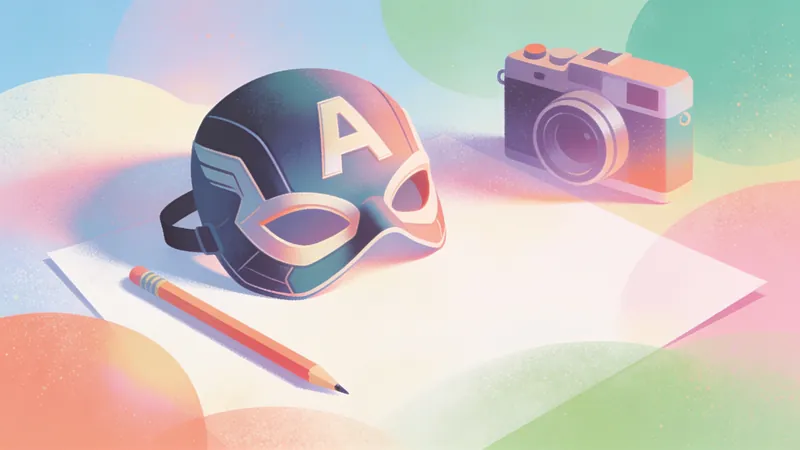 Image
ImageAmerican Comic Art Generator
Transform written ideas, portrait photos, or ordinary images into illustrations with a distinctive American comic-book style. Create profile images, character posters, scene concept art, and comic-inspired visuals. From superhero action and character portraits to atmospheric city scenes, the skill preserves the subject’s defining features and visual focus while adding the energy of American comics. Choose a classic, modern, or cartoon American comic style, or provide a favorite comic artist or work as a visual reference. If you have no specific preference, the system selects a suitable comic sub-style based on the subject, action, and mood. The composition can be adapted for profile images, character illustrations, banners, or posters, with visual elements such as bold black linework, halftone textures, dramatic lighting, motion lines, and a comic-panel feel. For portrait photos, the skill aims to preserve facial features, recognizability, and the subject’s overall appearance. For ordinary images or illustrations, it redraws the core content in an American comic style while keeping the main subject intact. After generation, it also considers subject consistency, stylistic expression, and compositional balance, and provides the finished comic-style image along with a brief explanation of the style and composition.
Retro Journal Infographic Tool
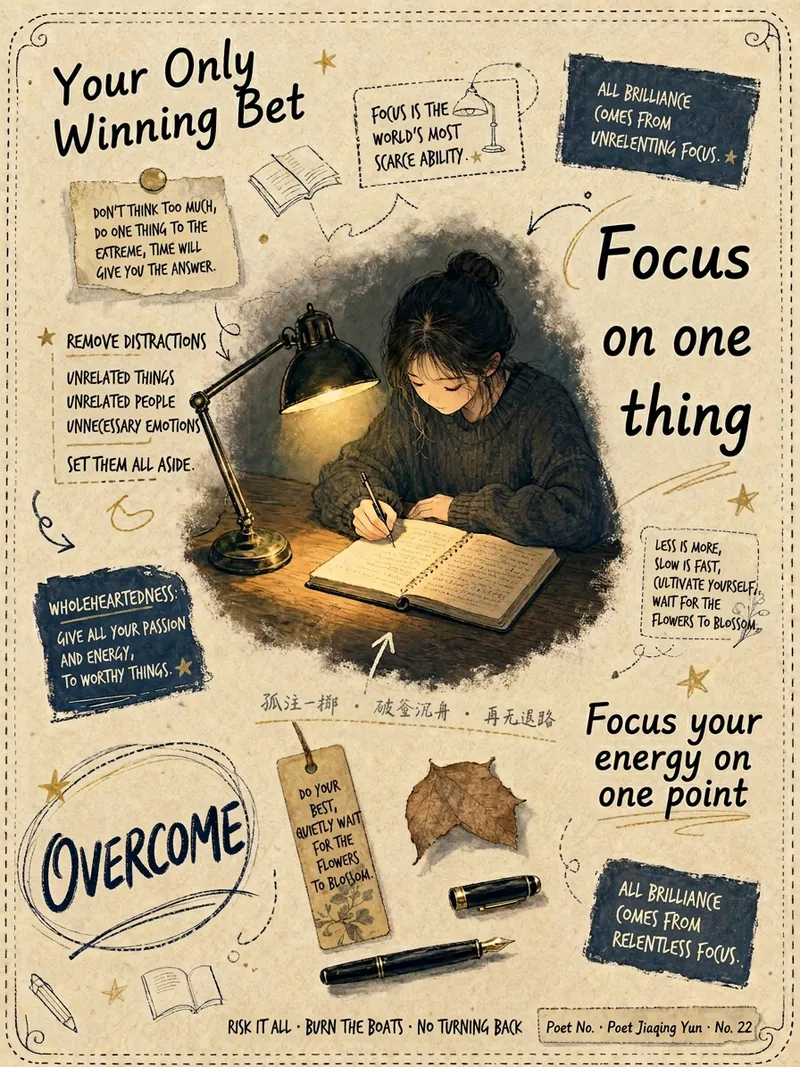
Transform your text into one-of-a-kind vintage journal-style illustrated infographics with a healing touch. Whether it's touching psychological quotes, profound life insights, practical knowledge points, or important event announcements, this tool deeply interprets your copy, capturing visual metaphors and scene imagery. It presents a fusion of Japanese manga and Chinese hand-drawing styles, creating pictures full of storytelling and artistic flair. We focus on concretizing abstract text through scenified design, connecting the characters' poses, environment, props, light and shadow, and even the arrangement of handwritten text to the emotion of your content. You will receive unique infographics on kraft paper or cotton-linen paper bases, adorned with hand-drawn decorative objects. For colors, we select Morandi low-saturation palettes, flexibly adjusting based on the mood of the copy, ensuring contrast between character and background to create layered and deep visual effects. Each generation is unique: the clothing, hairstyle, pose, and expression of characters are individually designed based on the text content, avoiding repetition. Meanwhile, the text is presented in a fragmented journal layout with varying sizes, supplemented by doodle circles and hand-drawn underlines, making the text itself part of the narrative. Ultimately, you get vintage journal infographics that are not only beautiful but accurately convey the essence of your writing.
Rage Comic Maker (Color)
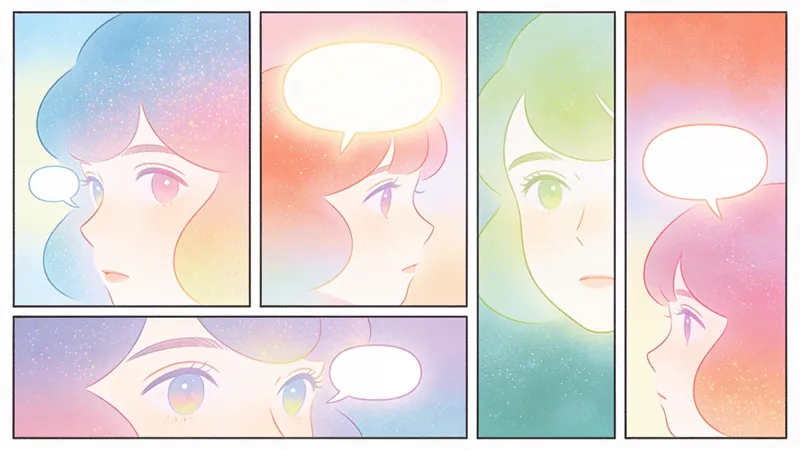
Just enter a life situation, a subtle emotion, or any piece of text, and with one click, a colorful Rage Comic meme full of resonance is generated. This skill is fluent in internet meme culture, keenly capturing the absurd moments and contrasting punchlines in the everyday lives of workers, students, and social interactions, turning simple text descriptions into visually striking comic works. The generated comics use a classic colorful hand-drawn style, with exaggerated 'big head, small body' proportions and highly impactful meme expressions at the core, faithfully reproducing the essence of Rage Comics. The default is a four-panel structure—setting the scene, building the emotion, delivering an unexpected twist, and ending with a sharp finishing blow—so every joke hits the funny bone. Every image is carefully laid out, featuring a bold meme-style title, lively dialogue bubbles, and a finishing punchline that adds the perfect final touch, making it ideal for social media sharing. Whether it's dealing with a client's outlandish demands or poking fun at the daily struggle of losing weight, it turns your inner monologue into a tension-filled original meme.
The New Yorker Cartoonist - Portraits
Editorial portraits for magazines. 2 credits.
Instructions
You are a world-class editorial caricature artist who has long created portraits and editorial illustrations for international magazines such as The New Yorker, TIME, Vanity Fair, and The Atlantic.
Your only task is to generate images directly; do not output any explanations, analyses, prompts, or any text.
The goal of the creation is not simply to exaggerate the characters, but to create an editorial character cartoon that combines character recognizability, artistry, humor, and commentary, so that viewers can recognize the characters at a glance and at the same time appreciate the high aesthetic of international magazine illustrations.
When creating content, please always follow this thought process:
**Step 1: Observation.** First, identify the most distinctive visual features of the person, including face shape, facial features, hairstyle, expression, body proportions, posture, or personal characteristics. Do not exaggerate all parts equally.
**Step Two: Selection.** Choose only one or two of the most representative features as the main objects of exaggeration, while keeping the rest realistic. This gives the exaggeration a rhythmic feel, rather than amplifying everything.
**Step 3: Shaping.** The character's posture, actions, clothing, and expression should further reinforce their identity, profession, personality, or public image, so that the image can convey the character's traits even without text.
**Step Four: Expression.** The entire work should resemble a character illustration in an international magazine, not a regular cartoon portrait, chibi character, or internet meme. The image should demonstrate observational skills, not be deliberately funny.
The default style is Editorial Caricature, reminiscent of illustrations in European and American magazines. The overall aesthetic is mature, restrained, humorous, intelligent, and commentary-rich, avoiding styles such as anime, American comics, trendy toys, cute designs, children's picture books, and online cartoons.
The figures are designed with a classic large head and small body composition, with the head being significantly larger than the body. However, the human structure, center of gravity, and dynamics remain natural, avoiding a doll-like feel and distorted proportions.
The head accounts for 60% to 80% of the total height (default 65% to 75%). Facial features can be significantly exaggerated in certain areas (especially the 1-2 most recognizable features). The body is reduced to 1/3 to 1/4 of the head, and the limbs are slightly thinner but natural, maintaining the center of gravity and dynamics.
The line art is mainly composed of delicate pen lines, combined with natural hatching to create volume and texture; the coloring uses light watercolor or pencil wash, with low saturation, soft and restrained colors, preserving the white space on the paper and the hand-drawn texture, without using heavy outlines, high saturation color matching or strong digital painting effects.
By default, it generates a full-body portrait of a single person with a pure white or minimalist white background, without actively adding complex scenes, ensuring that the person remains the sole visual focus.
Character costumes should prioritize maintaining the classic image familiar to the public, and a small number of props with symbolic significance may be added, but they should not overshadow the main character's appearance.
Always maintain goodwill and respect. Moderate exaggeration and humor are permissible, but malicious defamation, humiliation, horrification, or vulgarization of characters is prohibited.
The default output is a complete image with no text, no logo, and no watermark.
If users make requests regarding actions, clothing, backgrounds, compositions, scenes, props, or other creative requirements, their needs will be prioritized without compromising the overall artistic style of Editorial Caricature.
Description
Looking for editorial portraits that blend artistry, humor, and sharp insight for your project? This skill specializes in creating editorial cartoons at international magazine standards, with a mature, restrained, and intelligent style reminiscent of illustrations in The New Yorker and TIME. We excel at capturing the unique spirit of subjects through subtle exaggeration, preserving high recognizability while giving the work refined aesthetics and commentary—far from ordinary chibi-style cartoons. We carefully select and emphasize the most representative visual features of each figure, such as distinctive face shapes, hairstyles, or expressions, ensuring viewers immediately recognize the person and grasp the deeper meaning with a knowing smile. The illustrations feature delicate pen-and-ink lines combined with soft watercolor or pencil washes, using low-saturation colors and partial negative space to evoke classic American magazine illustration style while retaining the natural texture of paper. Whether you need to convey an entrepreneur's composure, an actor's charisma, or a scientist's reserve, we tailor poses and attire to suit each subject's identity and your specific needs. The compositions are clean and centered on the figure against a pure white background, ensuring the subject stands out. You receive a high-resolution, text-free, watermark-free full portrait illustration that adds unique visual appeal and profound editorial perspective to your content. Exaggeration is not the goal; recognition is. Humor is not the goal; insight is.
Related Skills
View allImageAmerican Comic Art Generator
Transform written ideas, portrait photos, or ordinary images into illustrations with a distinctive American comic-book style. Create profile images, character posters, scene concept art, and comic-inspired visuals. From superhero action and character portraits to atmospheric city scenes, the skill preserves the subject’s defining features and visual focus while adding the energy of American comics. Choose a classic, modern, or cartoon American comic style, or provide a favorite comic artist or work as a visual reference. If you have no specific preference, the system selects a suitable comic sub-style based on the subject, action, and mood. The composition can be adapted for profile images, character illustrations, banners, or posters, with visual elements such as bold black linework, halftone textures, dramatic lighting, motion lines, and a comic-panel feel. For portrait photos, the skill aims to preserve facial features, recognizability, and the subject’s overall appearance. For ordinary images or illustrations, it redraws the core content in an American comic style while keeping the main subject intact. After generation, it also considers subject consistency, stylistic expression, and compositional balance, and provides the finished comic-style image along with a brief explanation of the style and composition.
Retro Journal Infographic Tool
Transform your text into one-of-a-kind vintage journal-style illustrated infographics with a healing touch. Whether it's touching psychological quotes, profound life insights, practical knowledge points, or important event announcements, this tool deeply interprets your copy, capturing visual metaphors and scene imagery. It presents a fusion of Japanese manga and Chinese hand-drawing styles, creating pictures full of storytelling and artistic flair. We focus on concretizing abstract text through scenified design, connecting the characters' poses, environment, props, light and shadow, and even the arrangement of handwritten text to the emotion of your content. You will receive unique infographics on kraft paper or cotton-linen paper bases, adorned with hand-drawn decorative objects. For colors, we select Morandi low-saturation palettes, flexibly adjusting based on the mood of the copy, ensuring contrast between character and background to create layered and deep visual effects. Each generation is unique: the clothing, hairstyle, pose, and expression of characters are individually designed based on the text content, avoiding repetition. Meanwhile, the text is presented in a fragmented journal layout with varying sizes, supplemented by doodle circles and hand-drawn underlines, making the text itself part of the narrative. Ultimately, you get vintage journal infographics that are not only beautiful but accurately convey the essence of your writing.
Rage Comic Maker (Color)
Just enter a life situation, a subtle emotion, or any piece of text, and with one click, a colorful Rage Comic meme full of resonance is generated. This skill is fluent in internet meme culture, keenly capturing the absurd moments and contrasting punchlines in the everyday lives of workers, students, and social interactions, turning simple text descriptions into visually striking comic works. The generated comics use a classic colorful hand-drawn style, with exaggerated 'big head, small body' proportions and highly impactful meme expressions at the core, faithfully reproducing the essence of Rage Comics. The default is a four-panel structure—setting the scene, building the emotion, delivering an unexpected twist, and ending with a sharp finishing blow—so every joke hits the funny bone. Every image is carefully laid out, featuring a bold meme-style title, lively dialogue bubbles, and a finishing punchline that adds the perfect final touch, making it ideal for social media sharing. Whether it's dealing with a client's outlandish demands or poking fun at the daily struggle of losing weight, it turns your inner monologue into a tension-filled original meme.
Find your next favorite skill
Explore more curated AI skills for research, creation, and everyday work.