A complex instructional prompt for creating a two-part travel poster: the top featuring enhanced original photography and the bottom showcasing a pencil sketch observation archive of the same scene.
Prompt
Please transform each photo I upload into an independent "Travel Observation Archive" design poster, without multi-image collage, outputting each photo individually.
The overall composition uses a 2:3 vertical layout, consisting of two echoing upper and lower areas. The upper real-life photography takes up about 43% of the screen, and the lower travel observation archive takes up about 57%. The boundary is clear and straight, without using torn paper, gradient blending, or decorative borders.
## Top: Real-life Photography
Faithfully preserve the original photo, accurately maintaining the subject's identity, quantity, appearance, structure, posture, orientation, terrain, buildings, roads, water, spatial relationships, real materials, natural light and shadow, and original color atmosphere.
Perform only restrained exhibition-grade photography color correction, moderately improving exposure, layers, clarity, and color unity, giving it the texture of travel magazines, independent publications, and photography exhibitions.
To adapt to the vertical format, cropping can be adjusted naturally, or the sky, ground, water surface, and surrounding environment can be reasonably expanded, but the subject must not be stretched, distorted, moved, replaced, or redesigned.
If the original image contains fog, clouds, snow, or low light, the real weather characteristics should be retained, but do not let thick fog, milky air, or low contrast obscure the subject. Subject edges, key textures, and spatial layers must be clearly discernible.
## Bottom: Travel Observation Archive
Redraw the same scene from the photo on warm off-white natural archive paper.
First, identify the visual anchors in the photo that have the most travel narrative, such as:
Boats, lighthouses, lonely houses, RVs, bridges, stations, pavilions, gatehouses, towers, roads, docks, or other subjects that can represent the location and journey.
Use this subject as the core of the lower observation drawing and maintain its shape, proportion, orientation, structural features, and its relationship with the environment, so that people can recognize the original photo at a glance.
Use the following painting language:
- Pencil structural sketch
- Dry ink lines
- Fine but restrained cross-hatching
- A small amount of low-saturation colors extracted from the photo
- Local paper transparency
- Slight old archive grain
- Fine lead lines and observation labels
- Dimension references, direction lines, and environment records
- Loose but accurate travel manuscript texture
Do not make the bottom part look like precise architectural CAD, engineering drawings, or dense infographics. It should be like a page from a personal observation archive left by a traveler, architectural observer, or nature researcher, with a sense of knowledge but still quiet, poetic, and retaining a lot of white space.
The lower main drawing should occupy the main visual area. A few thin line annotations can appear around it, pointing out important structures, natural features, and spatial relationships that actually exist in the photo.
Set up 5 small observation boards of uniform size at the bottom, automatically selected based on the photo content:
- Geographical location schematic
- Terrain or skyline outline
- Front view or side view of the subject
- Local structural section
- Weather, water surface, cloud, vegetation, or road observation
All boards should come from the content of the original photo, and no unrelated structures should be added out of thin air.
## Chinese Typography
According to the location, subject, and travel imagery in the photo, automatically generate:
- A Chinese main title of 2 to 6 characters
- Numbering, e.g., "Number 01"
- A four-digit year
- A short, restrained, and visual Chinese description
- 3 to 4 items of scene information
- 4 to 6 structural observation labels
- 5 bottom board titles...
How to use this prompt
1
Copy the full prompt above.
2
Open a platform that supports GPT Image 2, such as YouMind, and paste the prompt in.
3
Swap the subject, style, or details to fit your idea, then generate.
This is a free AI prompt from YouMind's prompt library. Explore thousands more image prompts, all free to copy and adapt.
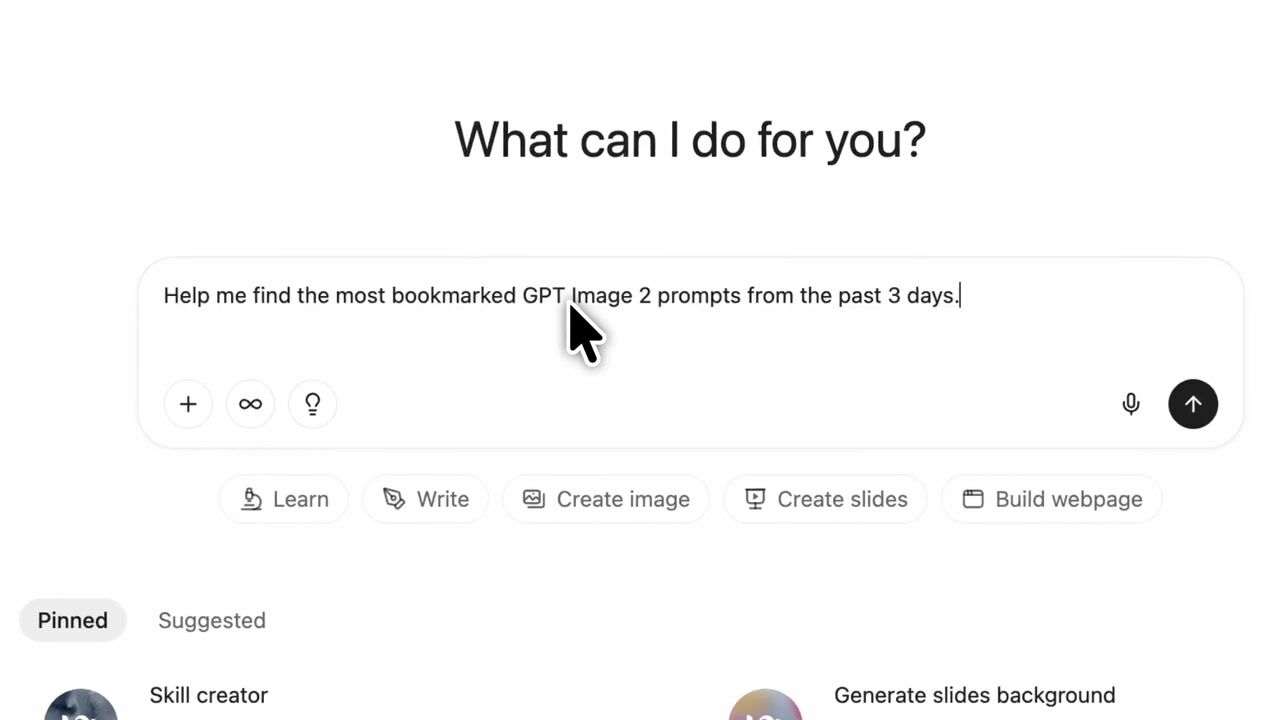
Let AI search through tens of thousands of prompts. Filter by model, time range, keywords, and sort by engagement — views, bookmarks, reposts and more.
Turn any photo into a detailed AI image prompt. The free image to prompt converter analyzes composition, style, and lighting so you can recreate any look in seconds.