Impasto Oil Miniature Painting Style

Transforms photos into 3D-textured miniature oil paintings using a thick palette-knife impasto technique with realistic lighting.

Prompt
Transform the subject in the attached photo into a square miniature painting in a palette-knife impasto oil-painting style. [Style — Emphasize 3D Texture] Use bold, thick impasto paint applied with a palette knife, raised approximately 3–5 mm from the surface. Each paint mass should show clear directional knife marks, including visible grooves and ridges. Assume lighting from the upper left. Add bright highlights to raised paint and distinct shadows to recessed or overlapping areas, creating strong light-and-shadow contrast like a real oil-paint surface. Add subtle shadows along paint edges so each color mass appears layered and built up at different depths, rather than flat. Preserve the subject’s silhouette, colors, and composition from the original photo, but avoid realistic rendering. Simplify the form using thick masses of paint. Keep the texture controlled and not overly detailed. The subject should remain recognizable through a limited number of bold, dimensional palette-knife strokes. [Background] Use a fixed warm ivory/cream watercolor-paper background with a subtle, slightly bumpy texture. Keep the background flat to contrast with the dimensional subject. [Text] Add a black handwritten caption in a corner along the bottom or wherever there is the most empty space. Automatically determine the caption based on the subject: Food/drink → menu name (e.g., “Pancake,” “Earl Grey Cake”) Product → product name or category Person → a short descriptive phrase or name-like text Animal → animal name or species Landscape → place name or a short word describing the scene The handwriting should look naturally imperfect, slightly uneven, and tactile—not like a clean digital font. Text color must remain black. [Composition] Aspect ratio: 1:1 Place the subject in the center with generous negative space. Show only the main subject, with no additional props or distracting elements.

How to use this prompt

  1. 1

    Copy the full prompt above.

  2. 2

    Open a platform that supports GPT Image 2, such as YouMind, and paste the prompt in.

  3. 3

    Swap the subject, style, or details to fit your idea, then generate.

This is a free AI prompt from YouMind's prompt library. Explore thousands more image prompts, all free to copy and adapt.

Explore more image prompts

More Prompt Features

AI Library

AI prompt search

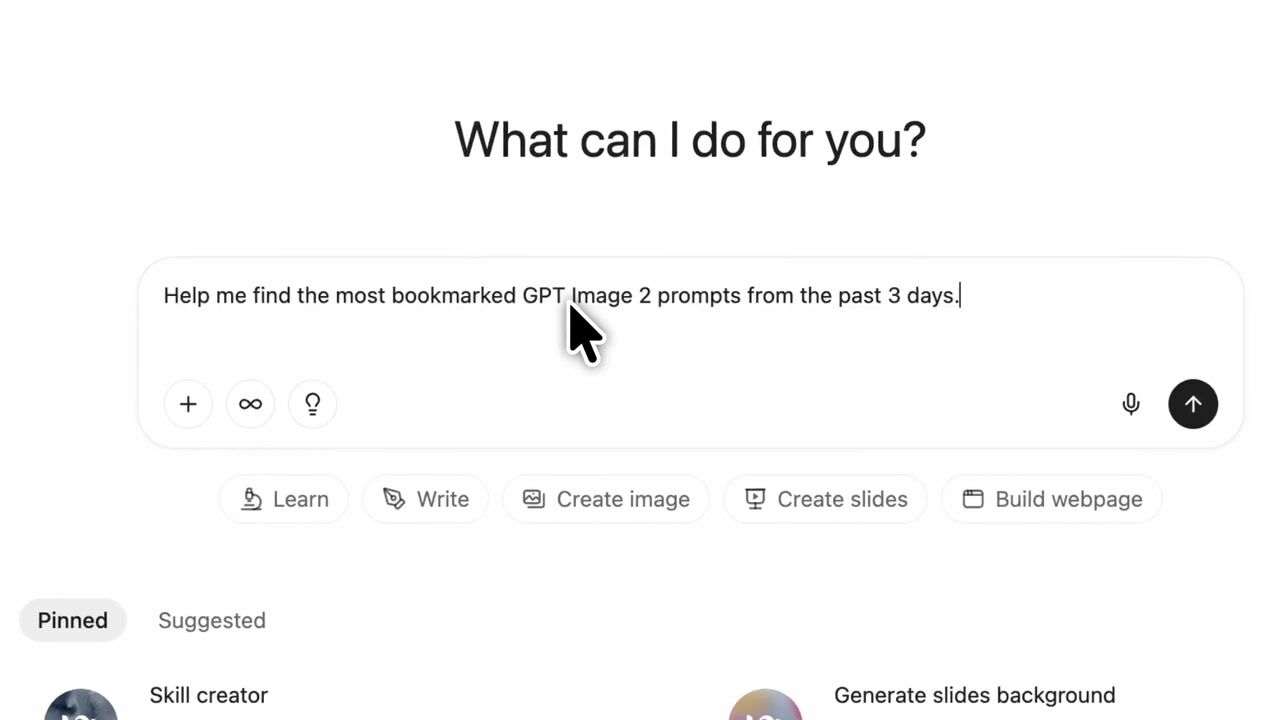
Let AI search through tens of thousands of prompts. Filter by model, time range, keywords, and sort by engagement — views, bookmarks, reposts and more.

Vision Tools

Image to Prompt

Turn any photo into a detailed AI image prompt. The free image to prompt converter analyzes composition, style, and lighting so you can recreate any look in seconds.

Built for creators. Free forever.

YouMind is the AI creative copilot trusted by millions of creators worldwide. Every prompt here is curated to help you create better, faster.

Explore more prompts