Visual Scene Annotator
Reveal meaning, context, and structure behind the image
Visual Scene Annotator
Reveal meaning, context, and structure behind the image
Showcase
Description
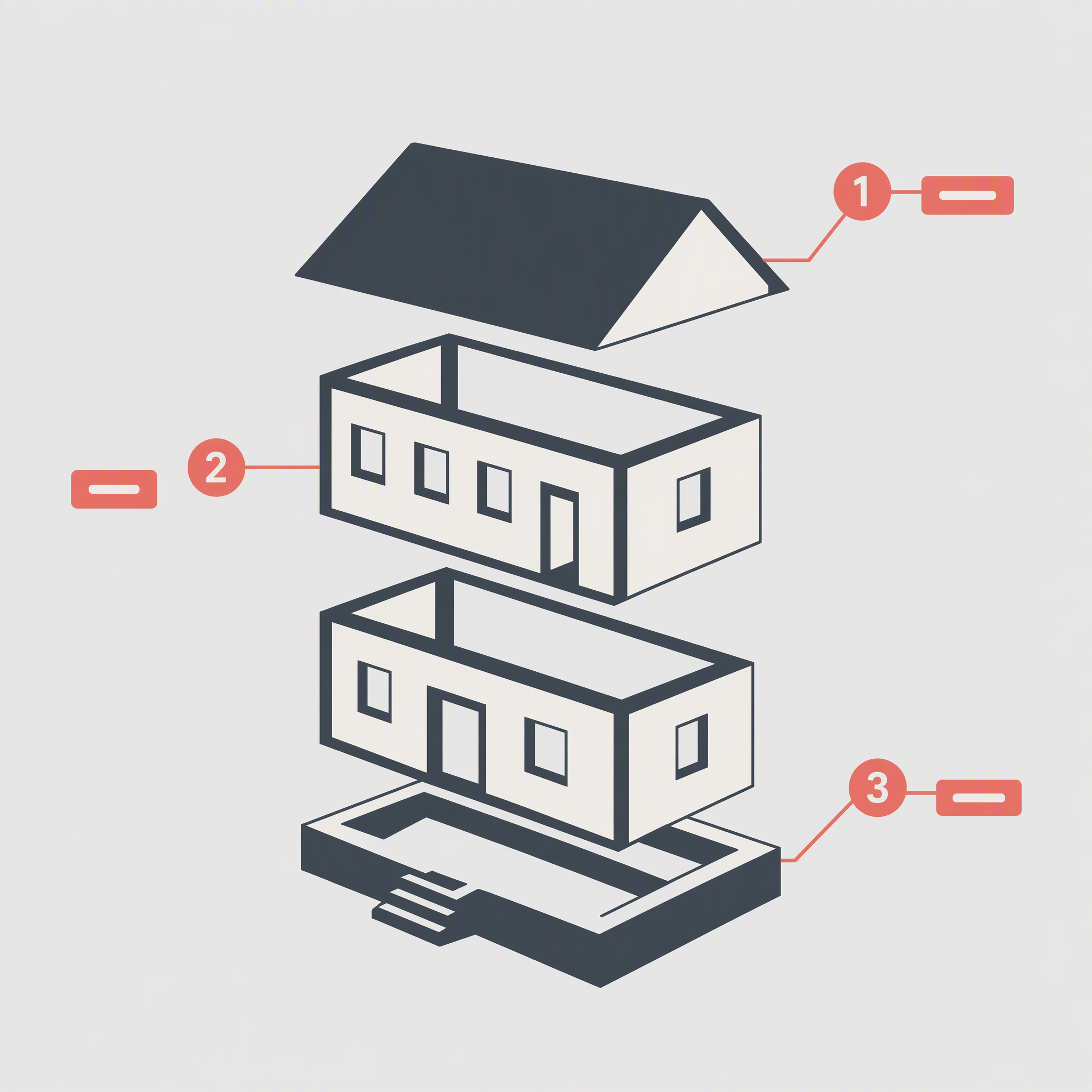
Turn a photo into a visual explanation of why its details matter. The Skill traces meaningful angles, shapes, joints, layers, and components on the original image, then explains their function, visual meaning, relevant background, and possible design influences. When useful, it adds a clearly labeled conceptual cutaway or exploded view beside the photo to show how the subject may be structured inside. Observed facts, verified context, and visual inference remain clearly separated.
Related Skills
View all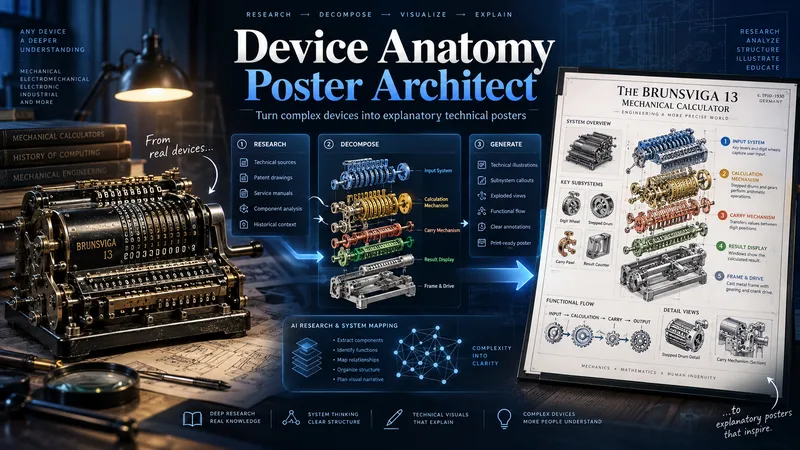 Image
Device Anatomy Poster Architect
Turn complex machines, tools, and devices into clear, educational technical posters. Provide a device name, model, reference image, cutaway, or technical photo. The Skill first researches the device’s real structure and working principle, then identifies its critical components, functional subsystems, operating sequence, and relevant power, fluid, signal, or material flows. Instead of producing a generic labeled cutaway, it reconstructs the device for teaching: separating dense mechanisms, exposing hidden relationships, organizing subsystems, and adding focused detail views where needed. You receive three genuinely different visual directions: Clean Hierarchical — structured, precise, highly readable engineering infographic. AI Artistic Creative — dramatic, spatial, mechanism-driven technical visualization. Hybrid Technical — premium 3D realism combined with modular engineering-diagram clarity. Each direction comes with its own fully independent, detailed English production prompt. The prompts share the same verified technical foundation but use different compositions, viewpoints, decomposition strategies, and visual storytelling. The workflow and visible poster text follow your language by default. Image-generation prompts are written in English for stronger production reliability. Nothing is generated automatically: review the three directions, choose one or request revisions, then proceed to final poster generation and technical quality validation.
 Research
Quick Scene Explainer
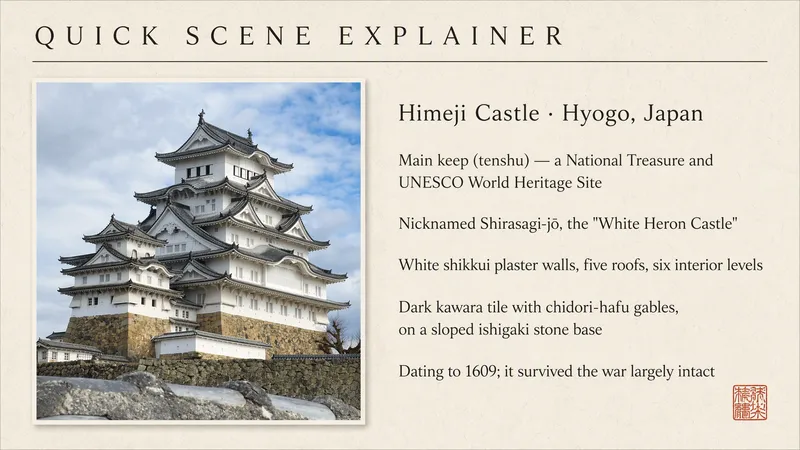
Get a concise, text-only explanation of a photo or screenshot without waiting for image generation. It identifies the relevant object, interface, sign, diagram, or visible structure; refers to parts by their position in the image; answers the user's immediate question; and clearly marks anything it cannot confirm. Designed for quick mobile use, weak connections, and situations where the user needs an answer now rather than a redesigned image.
Nonverbal Insight Analyzer
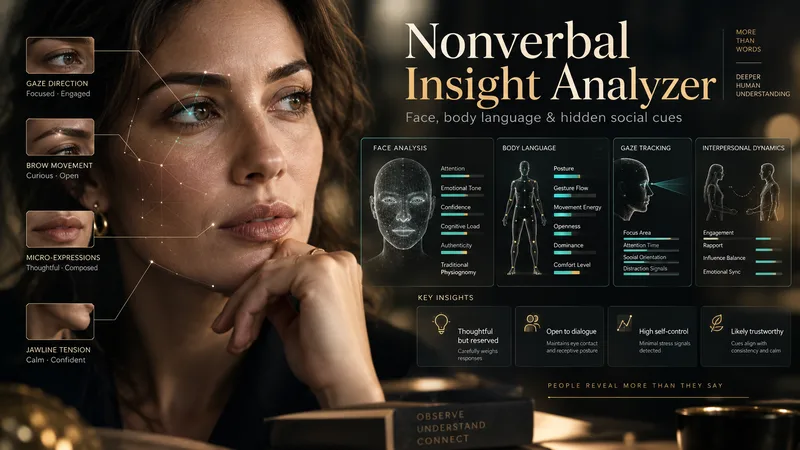
Go beyond obvious labels like “happy,” “angry,” or “confident.” Nonverbal Insight Analyzer examines the small visual details that shape how a person or interaction is perceived: facial tension, gaze direction, eyelids, mouth and jaw, head position, shoulders, posture, hands, body orientation, physical distance, asymmetry, and contradictions between signals. Before the analysis begins, it asks only a few relevant context questions so the image is not interpreted in isolation. A candid moment, posed portrait, conversation, workplace scene, or relationship dynamic can carry very different meanings. The Skill then connects individual clues into a coherent reading rather than simply listing them. It looks for supporting signals, competing explanations, and details that may be easy to miss—such as a relaxed face paired with tense hands, a smile that is not supported by the rest of the body, or a gaze direction that conflicts with torso orientation. When requested, the report can also include traditional physiognomy perspectives such as Turkish/Ottoman kıyafetname and firaset traditions, Western physiognomy, Chinese Mian Xiang, or a cross-cultural comparison. Historical interpretations are kept clearly separate from modern nonverbal analysis and are sourced when research is available. The final report is designed to be deep but easy to read: clear interpretation, subtle clues, alternative explanations, important contradictions, and the strongest takeaways—without turning the result into an academic paper or a shallow emotion label.
Information
- Version
- v15
- Last updated
- Runtime credits
- Usage-based
- Models
- Auto
